Ⅰ. Introduction
When CNC-machined parts must balance aesthetic appeal, wear resistance, and cost control, black anodizing is often one of the most common surface treatment solutions. For consumer electronics, cosmetic parts, or light-duty applications, Type II black anodizing is sufficient to meet most requirements and offers better cost efficiency; whereas for industrial parts subject to frequent friction or sliding, Type III hard anodizing provides superior wear resistance and surface hardness.
However, for parts featuring precision threads, conductive contact surfaces, or high-tolerance mating areas, an improperly selected anodizing process may result in assembly issues or conductive failure due to the anodic oxide film.
Consequently, selecting an inappropriate black anodized finish can result in minor issues such as color discrepancies, scratches, or uneven coloring, or, in severe cases, lead to part corrosion, batch rework, or even scrapping. This article will explore the practical applications of CNC machining to introduce the process principles, distinctions between types, cost factors, and typical application scenarios for black anodized aluminum.
Ⅱ. What Is Black Anodized Aluminum?
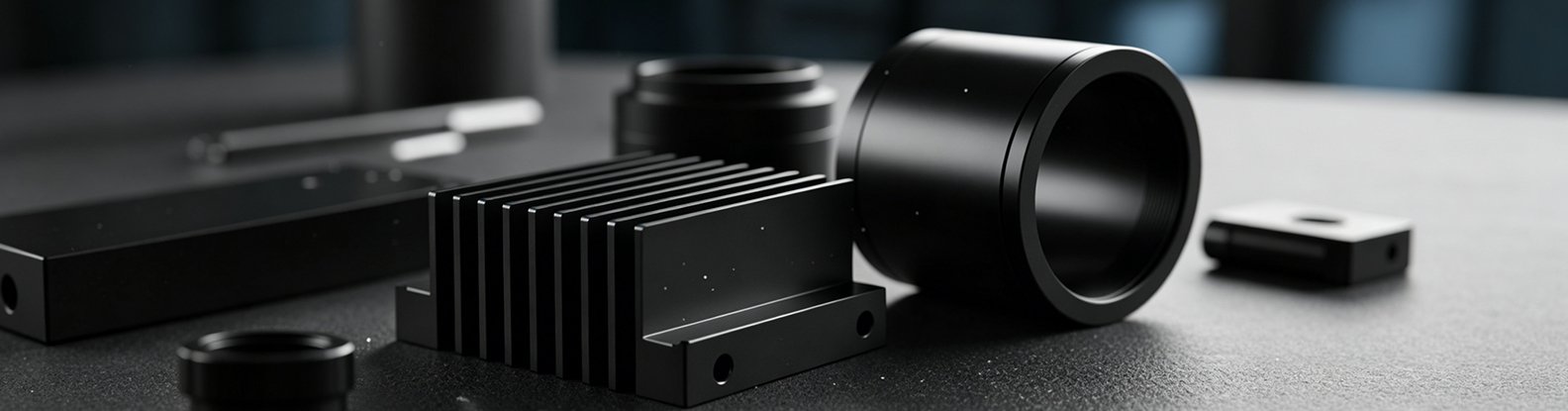
Black anodized aluminum is a common surface treatment process for aluminum alloys. It involves forming an oxide film on the surface of aluminum parts through electrochemical anodization, followed by black dyeing and sealing. The treated parts not only exhibit improved wear resistance, corrosion resistance, and oxidation resistance but also achieve a uniform, high-quality matte black finish. As a result, they are widely used in CNC-machined parts and high-end industrial products.
Ⅲ. Why Black Anodized Aluminum Is Popular in CNC Machined Parts?
Black anodizing is widely used in CNC-machined parts primarily because it not only enhances the wear resistance, corrosion resistance, and service life of aluminum components but also provides a uniform, high-quality black finish. Additionally, the process is well-established and cost-effective, making it highly suitable for large-scale industrial production.
This is reflected in the following aspects:
Excellent Mechanical Properties and Protective Capabilities
- Enhanced Hardness and Wear Resistance: During the anodizing process, a protective layer of aluminum oxide forms on the surface of the aluminum, enhancing the component’s resistance to wear, scratches, and impacts, thereby extending its service life.
- Enhanced corrosion resistance: The oxide film effectively blocks oxygen and moisture in the air, preventing oxidation and corrosion, making the parts resistant to rust even in outdoor or humid environments.
- Improved heat dissipation and optical performance: The black surface has a high thermal emissivity, which aids in heat dissipation, while the black finish also effectively reduces glare.
Balancing Functionality and Aesthetics
- Stain-resistant and low-maintenance: The black surface resists dirt and fingerprints, and minor scratches are less noticeable, making it ideal for handheld or frequently touched components.
- Premium appearance and texture: The pure matte black finish is smooth and visually appealing. This “premium feel” ensures the product easily meets aesthetic requirements in consumer electronics, automotive, and aerospace sectors.
Cost-Effective and Mature Process
- Moderate Cost: Compared to spray painting and electroplating, black anodizing offers a more moderate overall cost. It is suitable for medium to large-scale production and provides excellent value for money.
- Stable Process with High Yield: Anodizing is a mature electrochemical process. As long as the initial processing quality is consistent and the surface is thoroughly cleaned, the defect rate is typically below 1%.
Ⅳ. Type II vs Type III Black Anodizing
Aluminum anodizing can generally be divided into two types of black anodizing processes: Type II (standard anodizing) and Type III (hard anodizing). Although both produce a black surface finish, there are significant differences between them in terms of oxide layer thickness, hardness, wear resistance, processing costs, and suitable applications. The table below compares their key differences and typical applications:
| Comparison Criteria | Type II (Standard Black Anodizing) | Type III (Hard Black Anodizing) |
|---|---|---|
Alternative Names |
Standard Anodizing |
Hard Anodizing |
Process Principle |
Room-temperature sulfuric acid electrolyte, low current density, mild oxidation reaction |
Low-temperature, high-concentration sulfuric acid electrolyte, high current density, vigorous oxidation reaction |
Coating Thickness |
Typically 5–25 μm (micrometers) |
Typically 25–100 μm(micrometers) |
Surface Hardness |
Moderate, around HV 200–300 |
Extremely high, HV 300–500 |
Water and Scratch Resistance |
Basic wear resistance, suitable for daily use |
Extremely high wear resistance, withstands prolonged friction and scratching |
Corrosion and Rust Protection |
Good, suitable for indoor and dry environments; prone to peeling in humid conditions |
Extremely high, with a dense oxide layer; resistant to hydrochloric acid and salt spray; resistant to corrosion even in harsh environments |
Appearance and Texture |
Uniform matte black with a strong metallic finish |
Deeper black, tending toward matte, with a weaker metallic finish |
Impact on Dimensions |
Virtually no impact; suitable for precision components |
Significant thickness variation; requires advance allowance for machining; not suitable for ultra-high-precision components |
Production Cost |
Mature process; low cost; suitable for mass production |
Complex process; cost is 2–5 times that of Type II |
Main Applications |
Consumer electronics housings, exterior parts, general mechanical components, decorative hardware |
Consumer electronics housings, exterior parts, general mechanical components, decorative hardware |
Ⅴ. How to Choose Between Type II and Type III Black Anodizing
In engineering design, engineers can determine the appropriate treatment option by comprehensively evaluating the product’s operating conditions, performance requirements, and budget constraints. If the product is intended solely for decorative purposes or standard indoor use—where frequent friction and high-stress conditions are not required—and the budget is limited, Type II black anodizing should be the preferred choice. However, if the product will be exposed to harsh outdoor environments over an extended period and subjected to repeated friction, requiring high abrasion resistance and corrosion resistance, Type III black anodizing should be selected.
Ⅵ. How Black Anodizing Affects CNC Part Dimensions
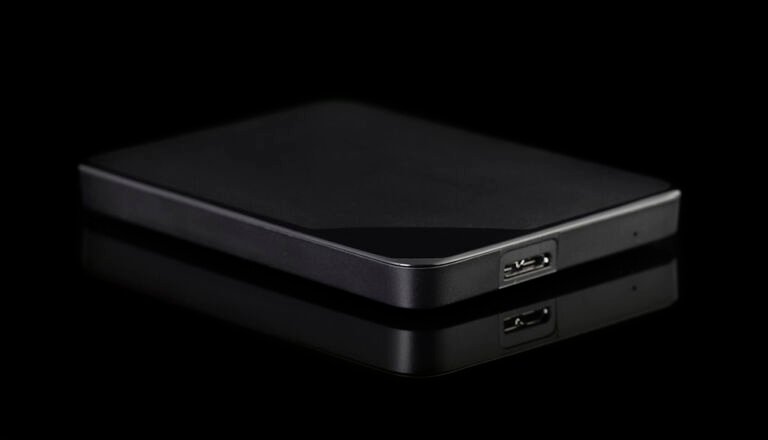
In the machining of precision CNC components, black anodizing is a commonly used surface treatment process. This process forms an oxide film on the workpiece surface, which directly alters the part’s actual dimensions and assembly accuracy.
The specific effects are as follows:
The oxide layer thickens in both directions
During the anodizing process, the surface of the aluminum alloy is converted into aluminum oxide (Al₂O₃). Since the volume of the oxide is greater than that of the original aluminum metal, two effects occur: the oxide film grows outward, increasing the workpiece’s outer diameter and decreasing its inner diameter; and the oxide film grows inward, consuming the base material, but this is compensated for by the oxide film.
Significant difference in thickness increase between Type II and Type III anodizing
Type II standard black anodic coatings typically have a thickness of 8–25 μm, with a dimensional increase of approximately 4–12 μm per side, which is manageable for parts with general tolerances; Type III hard black anodic coatings have a thickness of 25–75 μm, resulting in greater dimensional changes and a significant impact on precision mating surfaces.
Threads and small holes are highly susceptible to changes
After anodizing, the inner diameters of small holes and internal threads shrink; this reduction in diameter may prevent screws from being assembled.
Changes in surface smoothness and flatness
Uneven thickness on large flat parts after anodizing may slightly affect flatness, thereby impacting the accuracy of mating and assembly.
Ⅶ. Black Anodizing vs Black Oxide vs Powder Coating
In the manufacturing of metal parts, achieving a “black” surface finish can be accomplished not only through black anodizing but also through blackening and powder coating. However, these processes differ significantly in terms of their underlying principles, surface properties, durability, and suitable applications. Below is a comparative analysis of their key differences from multiple perspectives:
| Comparison Criteria | Black Anodizing | Black Oxide | Powder Coating |
|---|---|---|---|
Applicable Material |
Aluminum alloy only |
Iron-based materials such as carbon steel and alloy steel |
Iron-based materials such as carbon steel and alloy steel |
Process Principles |
Electrochemical: Converts the aluminum surface into an oxide layer, then dyes and seals the pores |
Chemical: Forms a thin film of iron oxide on the steel surface |
Physical: Adheres plastic powder to the surface via electrostatic charge, then cures the coating through high-temperature baking |
Coating Thickness |
5–25 microns (extremely thin) |
0.5–1.5 microns (thinnest) |
60–250 microns (thickest) |
Abrasion Resistance |
Extremely high; resistant to scratches and friction |
Poor; easily scratched and marked |
Moderate; paint may chip from heavy impacts |
Rust and Corrosion Resistance |
Excellent; resistant to moisture and corrosion |
Weak; requires rust-preventive oil for protection |
Optimal; highly durable for outdoor use |
Appearance and Texture |
Smooth matte black with strong metallic finish |
Dull, deep black with ordinary texture |
Multiple options (matte/gloss), excellent at concealing imperfections |
Dimensional Accuracy |
Virtually no impact (micron-level) |
No impact (extremely thin coating) |
Significant impact (tens to hundreds of microns) |
Performance Characteristics |
Anti-static, insulating, excellent heat dissipation |
Basic protection only, no additional properties |
Comprehensive protection, lacks the heat dissipation advantages of metal |
Production Cost |
Moderate |
Lowest, high cost-effectiveness |
Moderately High |
Main Applications |
CNC precision machined parts, digital device casings, instrument components, precision hardware |
Screws and nuts, standard iron fasteners, small internal structural parts |
Equipment enclosures, outdoor brackets, furniture hardware, large decorative casings |
Ⅷ. Which Black Finish Is Best for CNC Parts?
When selecting finishes, engineers should make a comprehensive assessment based on the dimensional accuracy of CNC parts, wear resistance, corrosion resistance, aesthetic requirements, and cost:
- For applications requiring precision assembly, tight tolerances, and a thin, uniform black finish, black anodizing is the preferred choice;
- For applications requiring only basic rust protection, with a limited budget and no need for high strength or wear resistance, black chemical blackening is a suitable option;
- For parts where protection, impact resistance, and scratch resistance are prioritized, and ultra-high assembly precision is not required, powder coating is the preferred choice.
Ⅸ.Common Applications in CNC Machined Parts
Aerospace
This sector requires parts to be lightweight and reliable in extreme environments. Black anodizing provides excellent corrosion resistance and a matte finish, meeting the stringent demands of the aerospace industry. It is widely used in aircraft structural components, brackets, instrument panels, optical instrument parts, drone fuselages, and more.
Automative Industry
This sector requires parts that are lightweight, wear-resistant, and aesthetically pleasing. Black anodizing enhances surface hardness and improves resistance to chemical corrosion. It is used in applications ranging from engines to interior and exterior trim, with typical components including engine parts, brake calipers, interior panels, and trim strips.
Consumer Electronics
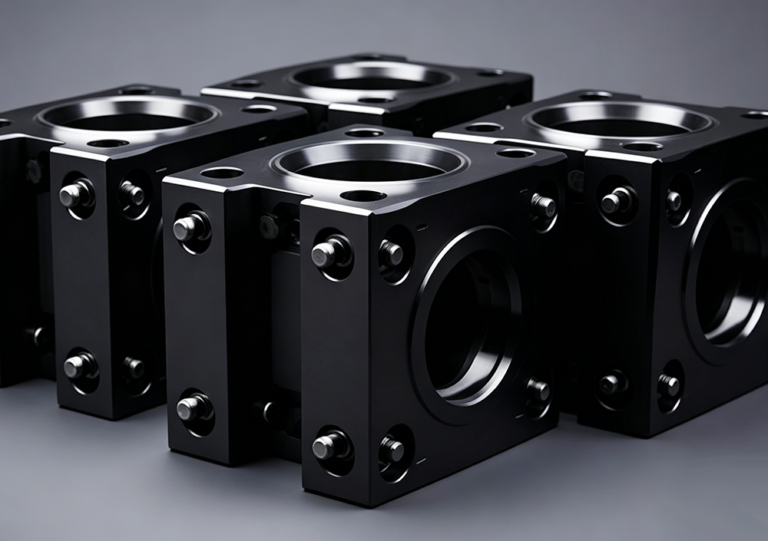
Black anodizing is one of the most common surface treatments for aluminum alloy casings in consumer electronics. Its refined matte texture, fingerprint resistance, and superior heat dissipation make it widely used in smartphone casings, laptops, camera bodies, and audio equipment.
Medical Devices
Medical devices have high requirements for corrosion resistance and surface cleanliness. The dense oxide layer formed by anodizing is easier to clean and can withstand routine disinfection procedures, making it commonly used for parts such as surgical instruments, dental equipment, and medical instrument housings.
Optical and Precision Instrument
In optical equipment, black anodizing effectively reduces stray light reflection and improves imaging and measurement stability. Consequently, it is widely used in components such as microscope tubes, laser equipment, optical sensor housings, and precision measuring instruments.
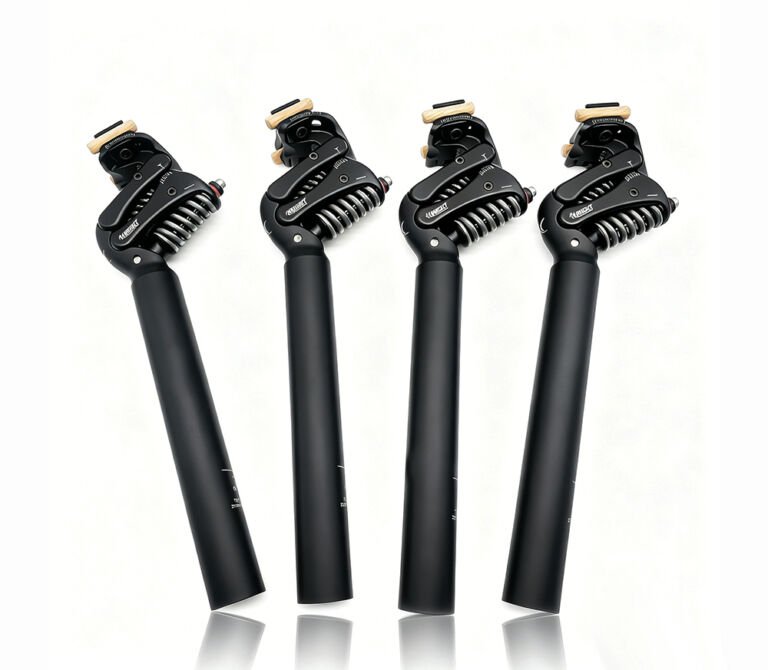
Ⅹ. What Affects Black Anodizing Cost?
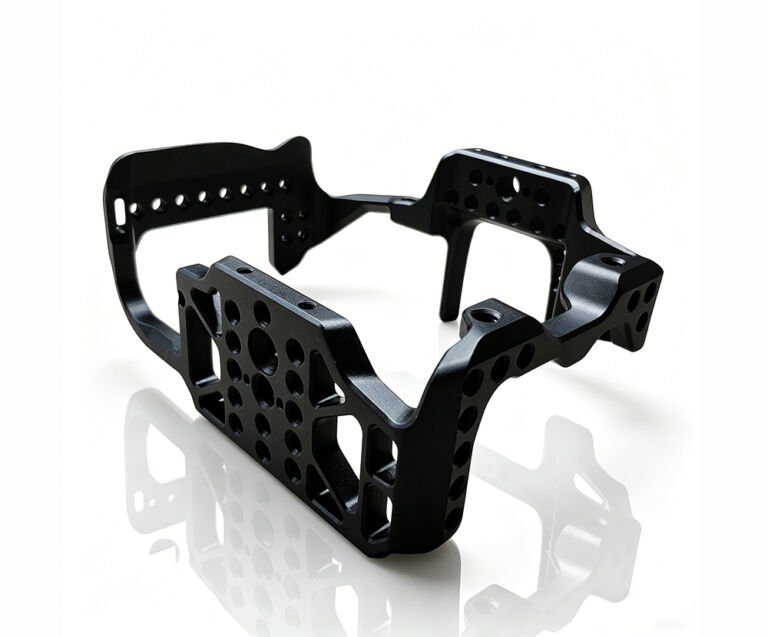
The main factors affecting the cost of black anodizing are as follows:
- Anodizing process grade
Standard Type II anodizing is inexpensive and suitable for most aesthetic and light wear-resistance requirements; hard Type III anodizing costs 50%–100% more, or even higher, because it requires lower temperatures, higher current density, and higher electricity costs.
- Materials and surface pretreatment
Aluminum Alloys: Common alloys such as 6061 and 6063 are easy to process and have low costs; however, materials that are difficult to anodize—such as those with high copper content or cast aluminum—struggle to achieve a uniform black finish, resulting in higher costs.
Surface Pretreatment: Any surface finishing process increases costs, as it requires additional steps such as polishing, sandblasting, or fine grinding, which directly raise labor costs.
- Part Size and Batch Size
Part Size: Larger parts require larger treatment tanks, more chemicals, and more time, directly increasing costs.
Single-Piece/Small Batches: Small-batch processing typically requires individual racks and manual operation, resulting in significantly higher costs than mass production.
Mass Production: Can be processed on automated or semi-automated lines, resulting in lower fixed costs per unit and a lower unit price.
- Dyeing and Sealing Quality
Dyeing: Standard black dyes are low-cost, but UV-resistant dyes or those offering enhanced light and heat resistance significantly increase costs.
Sealing: Eco-friendly nickel-free sealing for export, as well as high-standard salt spray corrosion resistance, incur higher costs than standard sealing.
Overall, the cost of black anodizing is not determined by a single factor but is influenced by a combination of factors, including process grade, material type, surface treatment requirements, part dimensions, and production volume. For CNC machining projects, the higher the aesthetic requirements and the stricter the wear and corrosion resistance standards, the higher the overall processing cost typically becomes.
Therefore, in actual production, it is necessary to select an appropriate anodizing solution based on the product’s application scenario, performance requirements, and budget.
XI. Design Tips: How to Specify Black Anodizing
Properly specifying the black anodizing process on engineering drawings is key to ensuring that CNC-machined parts achieve the desired appearance, performance, and cost control. The following is a standardized and professional set of notation methods:
- Clearly specify the type of anodizing
General-purpose parts: Typically designated as Type II Black Anodizing (Type II Sulfuric Acid Black Anodizing)
Wear-resistant industrial parts: Typically designated as Type III Hard Black Anodizing (Type III Hard Black Anodizing)
- Specify Color and Appearance
To avoid color variations or surface defects during mass production, the drawing should typically specify:
Color: Matte pure black, uniform with no color variation
Appearance: No white spots, no streaks, no uneven coloring
- Specific Coating Thickness Range
Type II: 10–25 μm
Type III: 35–75 μm
- Clear Masking Requirements
For threaded holes, mating surfaces, or conductive areas, masking requirements must typically be clearly specified in the drawings, for example:
- No oxide film is permitted on all M2.5 and M3 threaded holes (marked as “THD” in the drawings).
- Mating surfaces marked with “▼▼” on the drawing (such as bottom mounting surfaces) must be free of oxide film.
- The gray grid areas on the drawing must remain conductive and be masked.
These requirements help prevent assembly interference, dimensional deviations, and electrical conductivity failures.
- Protective Packaging Requirements
Black anodized surfaces are prone to scratches or friction marks during transportation; therefore, additional packaging instructions are typically required, such as:
- Separate parts with sulfur-free paper.
- Use individual bags or compartmentalized packaging.
- Prevent parts from colliding with each other during transport.
In actual production, many issues with black anodizing do not stem from the process itself, but rather from unclear requirements in the initial drawings. Specifying film thickness, tolerances, masking, and appearance standards in advance not only improves processing consistency but also effectively reduces rework and communication costs later on.
For complex structural components, products with high aesthetic requirements, or CNC parts requiring conductive masking, it is generally recommended to confirm the anodizing plan with the engineering team during the prototyping stage to avoid dimensional deviations, color discrepancies, or assembly issues later on.
XII. Conclusion
Black anodizing is a core surface treatment process for aluminum alloys. It forms an aluminum oxide film on the surface of the aluminum, giving the alloy an attractive finish while providing excellent wear and scratch resistance, as well as strong corrosion resistance. Product designers and engineers must clearly distinguish between the performance differences of Type II (standard) and Type III (hard) anodizing processes. They should appropriately design film thickness and allow for dimensional tolerances, while standardizing process specifications based on material, batch size, and application scenarios. By striking a balance between visual appearance, assembly precision, and cost control, they can produce high-quality aluminum products that are both reliable and meet usage requirements.
Keywin offers CNC machining, black anodizing, and a variety of metalworking services, providing customized manufacturing solutions tailored to product structure, aesthetic requirements, and application scenarios.
If you are seeking high-consistency, high-quality black anodized CNC parts, please contact the Keywin engineering team for technical support and a quote.
XIII. FAQ
- Can all aluminum alloys undergo black anodizing?
No. We recommend aluminum alloys such as 6061, 6063, and 7075, which produce a uniform oxide layer and achieve a deep black finish. Die-cast aluminum, due to its high silicon content, results in an uneven oxide layer, making it difficult to achieve a true black color; this process is costly and yields poor results.
- Does black anodizing improve corrosion resistance?
Yes, black anodizing forms a dense oxide film that significantly enhances the corrosion resistance of aluminum.
- How much will the dimensions of parts change after anodizing?
Type II standard black anodizing adds 5–15 μm to each side, while Type III hard black anodizing adds 25–80 μm to each side.
- Why do parts from different batches vary in color?
Color variations among black anodized parts from different batches are primarily due to fluctuations in electrolyte concentration, temperature, current, dyeing duration, aluminum material properties, and pretreatment. The combination of these factors results in color differences between batches.