Ⅰ. Introduction
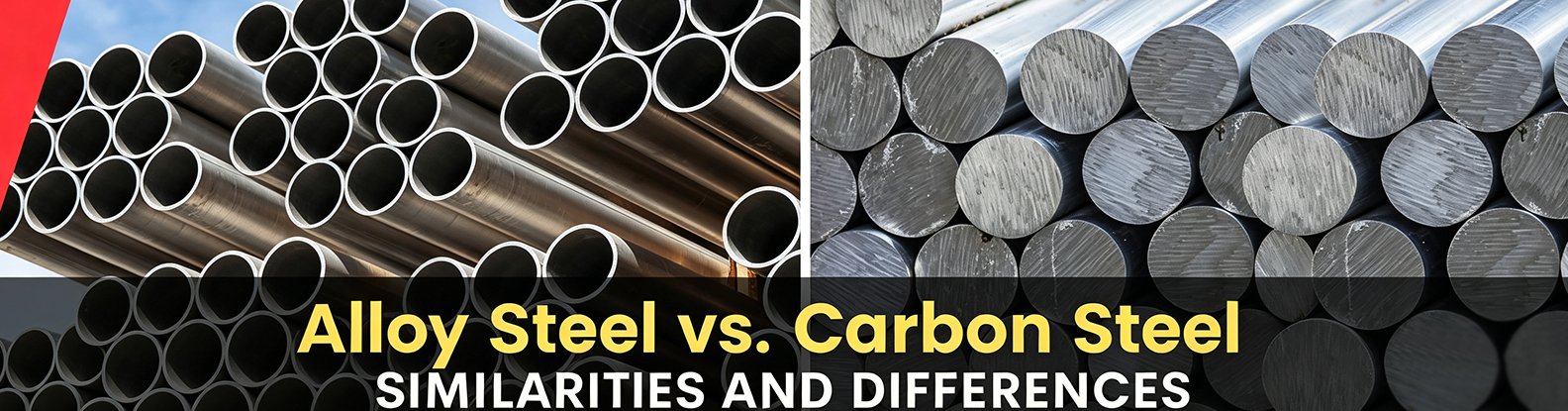
Steel is the most fundamental and widely used metal material in mechanical manufacturing, engineering structures, and industrial processing, with carbon steel and alloy steel being the most commonly applied. By understanding the differences between the two, as well as their respective advantages, disadvantages, and applications, we can better select and utilize them in industrial processing.
Ⅱ. Alloy Steel vs. Carbon Steel Comparison Chart
The following is a comparison chart of alloy steel versus carbon steel, covering key aspects such as performance, cost, machinability, and applications:
| Comparison Criteria | Carbon Steel | Alloy Steel |
|---|---|---|
Core Composition |
Iron + carbon, with virtually no additional alloying elements |
Iron-carbon matrix + various alloying elements such as chromium, molybdenum, and nickel |
Cost |
Low price, high cost-effectiveness |
Complex raw material processing, high cost |
Machinability |
Easy to machine and weld; low machining difficult |
High hardness and high toughness; prone to tool wear |
Mechanical Properties |
Average strength and toughness |
High strength and toughness, superior impact resistance |
Wear and Corrosion Resistance |
Prone to rust; poor wear and corrosion resistance |
Excellent wear resistance; high-alloy grades offer corrosion and high-temperature resistance |
Heat Treatment |
Poor hardenability; limited strengthening effect |
Strong hardenability; stable properties after heat treatment |
Suitable Applications |
Building structures, frames, general-purpose parts |
Molds, gears, shafts, heavy-duty applications, high-temperature environments, and other demanding conditions |
Ⅲ. Differences Between Alloy Steel and Carbon Steel
The differences between alloy steel and carbon steel can be summarized as follows:
1. Differences in Chemical Composition
Carbon Steel: It has a simple composition, consisting mainly of iron and carbon, with almost no other alloying elements and few impurities;
Alloy Steel: In addition to iron and carbon, various alloying elements such as chromium, nickel, molybdenum, manganese, and vanadium are intentionally added to improve the steel’s hardenability, strength, toughness, and resistance to corrosion and high temperatures.
2. Differences in Price and Cost
Carbon steel: Simple smelting process, high production volume, inexpensive raw materials, and low processing costs, offering excellent value for money;
Alloy steel: Expensive alloy raw materials, complex smelting processes, and high procurement and processing costs.
3. Differences in Mechanical Properties
Carbon steel: Moderate strength and hardness; the higher the carbon content, the harder but also the more brittle it becomes; average fatigue and impact resistance;
Alloy Steel: Superior strength, toughness, and wear resistance across the board; good hardenability; impact resistance far superior to carbon steel
4. Corrosion Resistance and Environmental Tolerance
Carbon Steel: Prone to oxidation and rust; not resistant to acids or alkalis; not resistant to high or low temperatures; susceptible to damage in harsh environments
Alloy Steel: High-alloy composition provides corrosion and rust resistance; maintains shape at high temperatures; resistant to cold-induced cracking
5. Machinability and Weldability
Carbon steel: Soft texture, easy to machine, simple to weld, and easy to stamp and bend
Alloy steel: High hardness, causes tool wear during machining, difficult to weld, requires specialized processes such as preheating and heat treatment
6. Applications
Carbon steel: Construction steel, general-purpose plates, everyday hardware, and welded structural components
Alloy steel: Gear shafts, molds, bearings, cutting tools, and aerospace and heavy industry
Ⅳ. What Is Alloy Steel?
Alloy steel refers to carbon steel that has been intentionally modified by adding one or more alloying elements (such as chromium, nickel, manganese, silicon, etc.) to alter its mechanical properties, physical properties, and corrosion resistance.
Ⅴ. What Are the Types of Alloy Steel?
Alloy steels can be classified in various ways, but they are primarily categorized into the following three groups:
- By alloying element content
| Type | Total Alloy Content | Characteristics | Applications |
|---|---|---|---|
Low-alloy steel |
<5% |
High strength, high toughness, cost-effective |
Shafts, gears, pressure vessels |
Medium-alloy steel |
5%–10% |
Improved strength, wear resistance, heat resistance |
Heavy-duty gears, molds, wear-resistant components |
High-alloy steel |
>10% |
Corrosion resistance, high-temperature resistance, high hardness |
Chemical processing equipment, cutting tools, high-temperature components |
- By primary alloying element
| Type | Dominant Element | Characteristics | Applications |
|---|---|---|---|
Chromium Steel |
Cr |
Wear resistance, increased strength |
Shafts, gears |
Chromium-Molybdenum Steel |
Cr-Mo |
High-temperature resistance, excellent overall performance |
High-pressure pipelines, aircraft structures, etc.; most commonly used in the machinery industry |
Nickel-Chromium Steel |
Ni-Cr |
Good toughness, especially at low temperatures |
Heavy-duty shafts, low-temperature equipment; typical composition of stainless steel |
Manganese Steel |
Mn |
High strength, extremely wear-resistant |
Railway switches, crusher liners |
Silicon-Manganese Steel |
Si-Mn |
Good elasticity |
Springs |
- By application
| Type | Typical Examples | Characteristics | Applications |
|---|---|---|---|
Structural Alloy Steel |
Q345 (16Mn) |
High strength, good weldability |
Bridges, ships, construction |
Quenched and Tempered Alloy Steel |
40Cr, 42CrMo, 4140 |
Excellent overall mechanical properties |
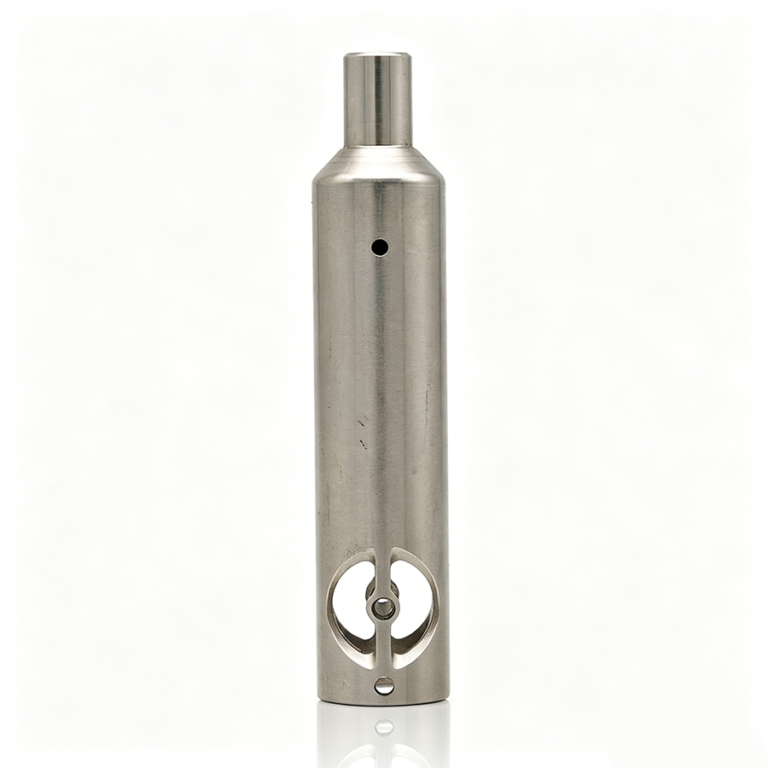
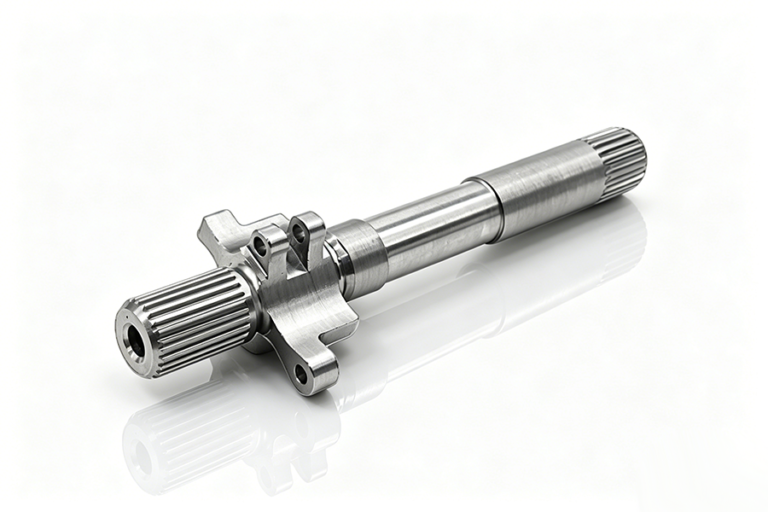
Gears, shafts, connecting rods |
Spring Steel |
60Si2Mn, 50CrVA |
High elastic limit, high fatigue strength |
Automotive leaf springs, springs |
Bearing Steel |
GCr15 |
Wear resistance, high hardness |
Bearings, rollers, precision wear-resistant parts |
Tool Steel |
Cr12MoV, H13, W18Cr4V |
Wear resistance, good heat hardenability |
Molds, cutting tools, drill bits |
Stainless Steel |
304, 316, 410, 430 |
Corrosion resistance |
Chemical equipment, medical devices, food processing machinery |
Ⅵ. What Are the Advantages and Disadvantages of Alloy Steel?
Advantages
- Superior overall mechanical properties: Strength, toughness, and impact resistance are better than those of carbon steel;
- Good hardenability: Alloying elements significantly improve the steel’s hardenability, allowing even large components to be fully hardened during heat treatment, resulting in a uniform distribution of strength throughout the part;
- Corrosion, heat, and wear resistance: Chromium and nickel content provide rust and corrosion resistance, while tungsten and molybdenum significantly improve the steel’s high-temperature strength and creep resistance, making it suitable for high-friction, cyclically loaded components such as gears and molds.
Disadvantages
- Higher cost: Alloy elements are expensive, smelting processes are complex, and stricter composition control is required; some alloy steels require complex heat treatments such as quenching;
- Complex welding processes: Alloying elements increase the tendency to harden during quenching, making welding prone to cracking; specialized procedures such as holding and preheating are required;
- Difficult to machine: Some alloy steels have high hardness and good toughness, making them difficult to cut, which leads to rapid tool wear and requires strict cutting parameters.
Ⅶ. What is Carbon Steel?
Carbon steel refers to steel whose primary components are iron and carbon, with virtually no intentional addition of other alloying elements (such as chromium, nickel, manganese, or silicon). It is the most basic, most widely produced, and most extensively used type of steel alloy.
Ⅷ. What Are the Types of Carbon Steel?
Carbon steel is primarily classified in the following three ways, with classification by carbon content being the most common:
- Classification by carbon content (most common):
| Type | Carbon Content | Characteristcs | Applications |
|---|---|---|---|
Low-carbon steel |
< 0.25% |
Soft, good toughness, weldable, easy to machine |
Steel plates, frames, general structural components |
Medium-carbon steel |
0.25% ~ 0.60% |
Relatively high strength, moderate toughness |
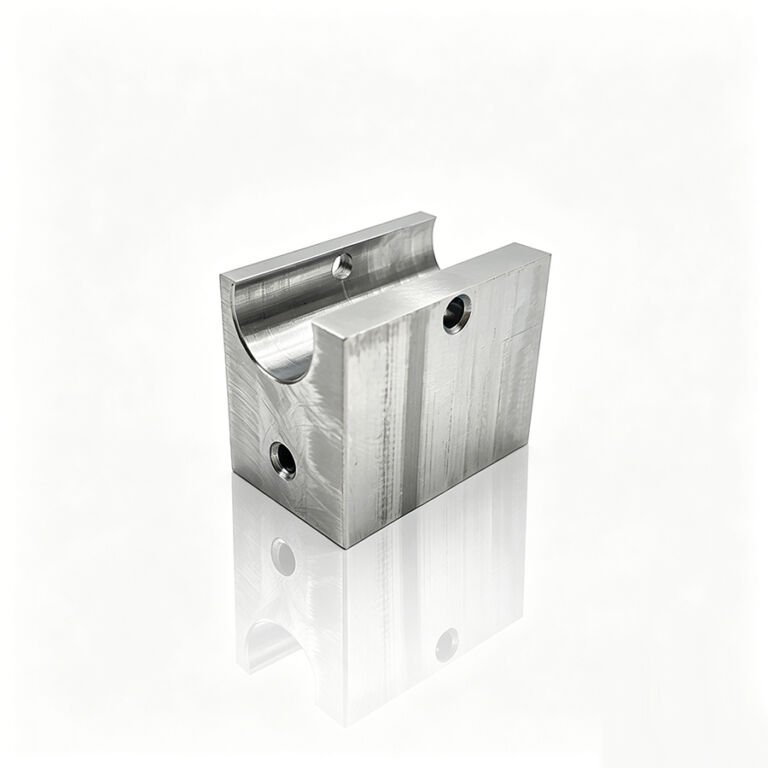
Shafts, gears, connecting rods |
High-carbon steel |
> 0.60% |
High hardness, wear-resistant, but prone to brittleness and fracture |
Springs, hand tools |
- Classification by quality (impurity content):
| Type | Sulfur (S) Content | Phosphorus (P) Content | Characteristics | Applications |
|---|---|---|---|---|
Mild carbon steel |
≤ 0.045% |
≤ 0.045% |
High impurity content, inexpensive |
Generally used for building structures |
High quality carbon steel |
≤ 0.035% |
≤ 0.035% |
Low impurity content, good mechanical properties |
Commonly used for mechanical parts |
High grade carbon steel |
≤ 0.025% |
≤ 0.025% |
Very low impurity content, excellent properties |
Used for precision parts and high-end cutting tools |
- By application:
| Type | Typical Examples | Characteristics | Applications |
|---|---|---|---|
Carbon Structural Steel |
Q235, 45# |
Good overall performance |
Construction, supports, equipment bases |
Carbon tool steel |
T7, T8, T10, T12 |
High carbon content, high hardness, wear-resistant |
Cutting tools, molds, files |
Malleable cast iron |
ZG230-450, ZG270-500 |
Used for casting complex-shaped parts, good fluidity |
Cast steel components, gearbox housings |
Ⅷ. What Are the Advantages and Disadvantages of Carbon Steel?
Advantages
- Low cost: It contains no expensive alloying elements and has a simple smelting process, making it the most economical type of steel.
- Good machinability: It is easy to weld, machine, forge, and cast.
- Good electrical and thermal conductivity: It can be widely used in structural components and general-purpose mechanical parts.
- High recyclability: It is easy to separate using magnetic separation, and scrap steel has high recycling value.
Disadvantages
- Poor corrosion resistance: It does not contain corrosion-resistant elements such as chromium, making it highly susceptible to oxidation and rusting in humid or acidic environments; proper rust prevention measures are essential.
- Poor high- and low-temperature performance: It softens easily at high temperatures and becomes brittle at low temperatures, resulting in a sharp decline in toughness.
- Overall performance inferior to alloy steel: It is inferior to alloy steel in terms of wear resistance and toughness.
Ⅸ. FAQ
Q: What are the similarities between alloy steel and carbon steel?
A:The similarities between the two can be summarized in two points:
First, both have iron as their primary element, with carbon serving as a key strengthening component; they share similar physical properties such as density and elasticity.
Second, their manufacturing processes are similar; both can be produced using the same smelting and welding techniques, and both possess basic characteristics such as electrical and thermal conductivity, machinability, and the ability to undergo heat treatment.
Q: How to choose between alloy steel and carbon steel?
A:In environments without severe corrosion, where strength requirements are not high, and budgets are limited, carbon steel offers the best value for money;
When higher strength, corrosion resistance, and high-temperature resistance are required, and operating conditions are harsh, alloy steel should be selected for its superior performance.
Q: Alternative Metals to Alloy Steel and Carbon Steel?
A:① Stainless Steel: A type of high-alloy steel composed primarily of iron and carbon, with added alloying elements such as chromium. It offers excellent corrosion resistance and is resistant to rust.
② Nickel Alloys: Containing steel and nickel, these alloys combine corrosion and oxidation resistance with high-temperature tolerance, making them suitable for harsh operating conditions such as power plants and chemical reactors.
③ Aluminum Alloys: A lightweight material that is easy to process and form. It can replace low-load carbon steel or alloy steel and is used in lightweight automotive structures.
④ Titanium Alloys: With high strength, corrosion resistance, and high-temperature resistance, they are ideal alternatives to high-end alloy steels and are widely used in aerospace and precision instruments.
Q: What are the typical applications for alloy steel and carbon steel?
A:Carbon steel is used in structural supports, construction rebar, standard sheet metal enclosures, and everyday hardware—components that experience low stress, operate in ordinary environments, and require low-cost, easy-to-process materials.
Alloy steel is used in heavy-duty gear drive shafts, molds and cutting tools, high-pressure critical components, and high-temperature, corrosion-resistant parts—suitable for high-strength, wear-resistant, harsh operating conditions, and critical load-bearing components requiring long-term durability.