Ⅰ. Introduction
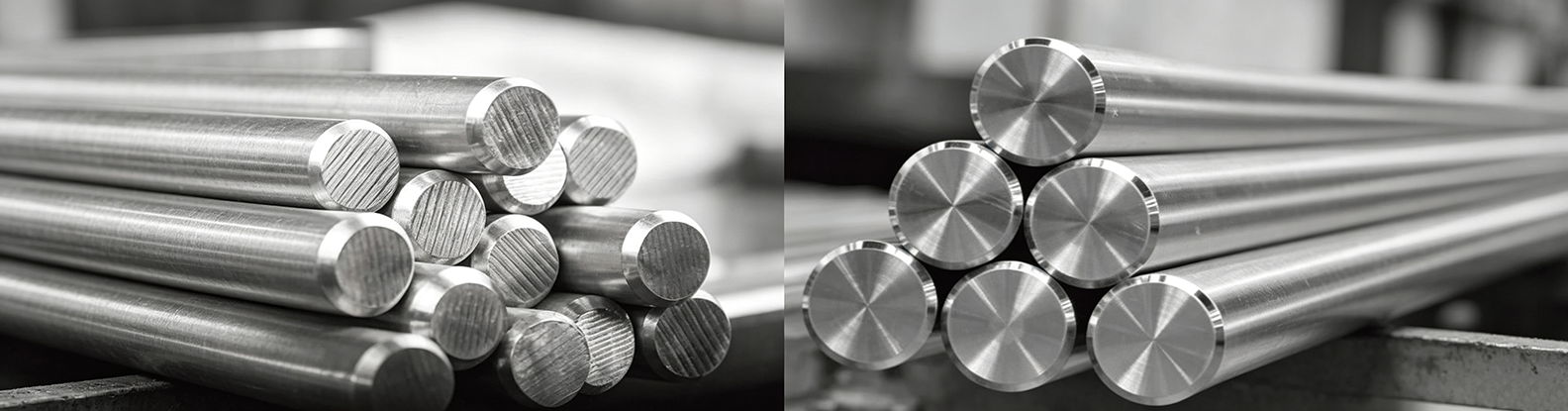
In industrial manufacturing, both titaniumand stainless steel are widely used materials. As each offers distinct advantages regarding weight, strength, corrosion resistance, ease of processing, and cost, engineers must often strike a balance between performance and budget when making a selection.
Stainless steel benefits from mature processing technologies, relatively low material costs, and a robust supply chain, making it suitable for most standard manufacturing and mass-production scenarios. In contrast, titanium offers superior properties—such as a high strength-to-weight ratio and exceptional corrosion resistance—but often entails high raw material prices and challenging processing costs.
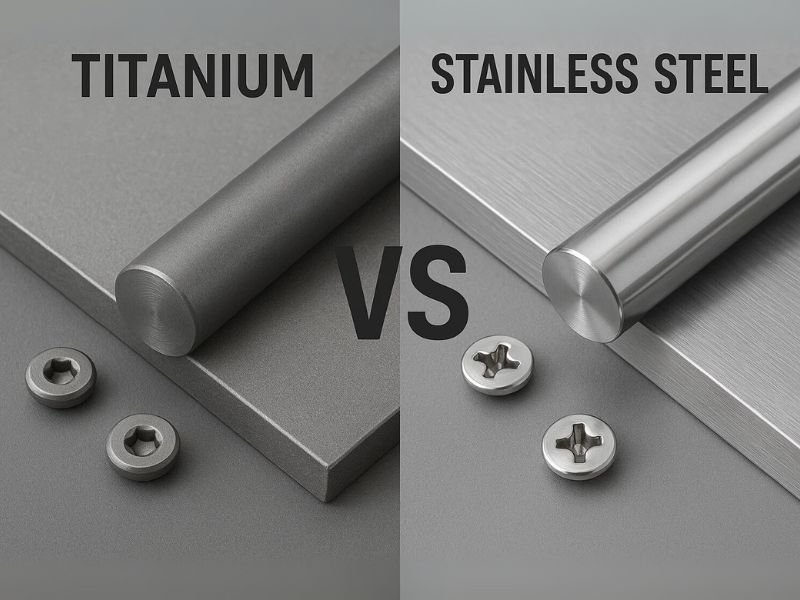
Titanium is not inherently superior to stainless steel, nor is stainless steel always the most cost-effective choice for every project. A truly sound decision requires a comprehensive evaluation of factors such as the operating environment, weight requirements, mechanical properties, processing methods, production volume, and total lifecycle costs. This article provides a systematic comparison of titanium and stainless steel across various dimensions—including material characteristics, machinability, cost, and typical applications—to help you select the material best suited to your project’s needs.
Ⅱ. Quick Comparison Table
| Comparison Criteria | TA2 Commercially Pure Titanium | TC4 Titanium Alloy | 304 Stainless Steel | 316L Stainless Steel | 430 Stainless Steel |
|---|---|---|---|---|---|
Strength-to-weight ratio |
★★★★ |
★★★★★ |
★★ |
★★★ |
★★ |
Corrosion Resistance |
★★★★★ |
★★★★ |
★★ |
★★★ |
★ |
Heat Resistance |
★★★ |
★★★ |
★★★★ |
★★★★★ |
★★★★★ |
Machinability |
★★ |
★ |
★★★★ |
★★★ |
★★★★ |
Hardness |
★★ |
★★★ |
★★★★ |
★★★★ |
★★★ |
Weldability |
★★★ |
★★ |
★★★★ |
★★★★ |
★ |
Biocompatibility |
★★★★★ |
★★★★★ |
★★★ |
★★★ |
★★ |
In terms of overall performance, titanium stands out for its lightweight nature, corrosion resistance, and biocompatibility, whereas stainless steel offers advantages in heat resistance, machinability, and overall cost. To understand these differences, one must first grasp the composition, classification, and fundamental properties of stainless steel.
Ⅲ. What Is Stainless Steel?
Stainless steel is an engineering material based on iron, alloyed with elements such as chromium. Its defining characteristic is the formation of a dense chromium oxide passivation layer on its surface, which provides excellent corrosion resistance and prevents rusting in most environments. Additionally, stainless steel offers high mechanical strength, good high-temperature resistance, superior hygienic properties, and excellent formability; its smooth, attractive finish allows it to meet both structural and aesthetic requirements.
Based on their internal microstructure, stainless steels are typically classified into austenitic, martensitic, ferritic, and duplex grades. Each type offers a distinct balance of corrosion resistance, strength, hardness, and workability, making them suitable for various operating conditions. In practice, stainless steel is widely used in sectors such as medical devices, food processing, chemical equipment, architectural decoration, the automotive industry, and electronics, serving as a fundamental engineering material that combines performance, cost-effectiveness, and versatility.
Ⅳ. What Is Titanium?
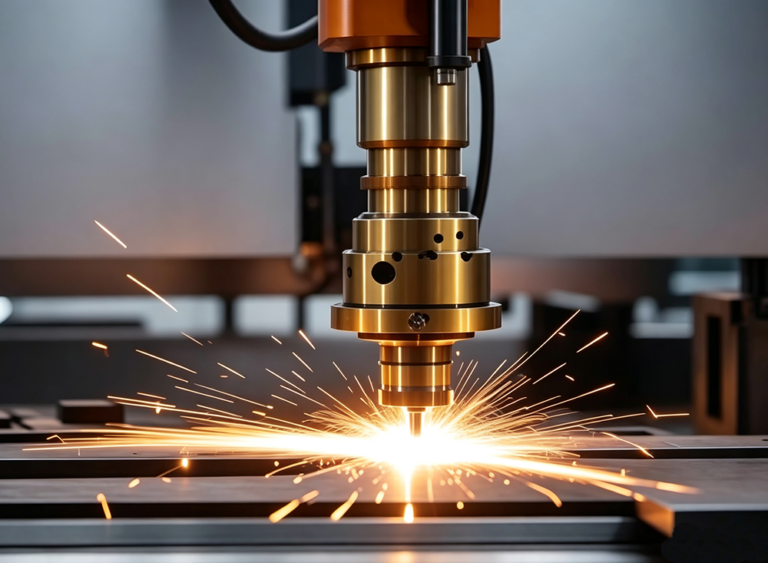
Titanium is a lightweight metallic material based on the element titanium; it is characterized by low density yet high strength and offers excellent corrosion resistance—remaining particularly stable in environments involving seawater, chlorides, and strong oxidizing agents. Consequently, it is widely used in sectors such as aerospace, medical implants, chemical processing equipment, and high-end sports gear.
Titanium also possesses good biocompatibility, eliciting no significant adverse immune response in the human body, making it a key choice for implant-grade medical materials. While it offers superior high-temperature and fatigue resistance, titanium is difficult and costly to process, placing stringent demands on machining techniques and cutting tools. Overall, titanium is a premium engineering material that combines lightweight properties, high strength, and exceptional corrosion resistance, holding irreplaceable value in applications where performance requirements are extremely high.
Ⅴ. Grade-by-Grade Comparison
Stainless Steel Grades
Different grades of stainless steel vary in their crystal structures and alloy compositions; consequently, they differ in terms of corrosion resistance, weldability, magnetic properties, and suitable operating environments. The following comparison focuses on common stainless steel grades—430, 304, and 316L—examining their crystal structures, key alloy compositions, and the resulting differences in performance.
| Material | Crystal Structure | Core alloy composition (fundamental difference) | Characteristics resulting from these core underlying differences |
|---|---|---|---|
430 |
Ferrite |
Cr≈17% |
Magnetic and lowest in cost; nickel-free and highly susceptible to rusting in chloride-containing environments; cannot be hardened by heat treatment and prone to cracking during welding. |
304 |
Austenite |
Cr≈18%、Ni≈8% |
Non-magnetic or weakly magnetic; nickel-stabilized austenitic structure with good ductility and weldability; resistant only to fresh water and neutral media; susceptible to pitting corrosion in saltwater. |
316L |
Austenite |
Cr≈17%、Ni≈12%、Mo 2%+ Low carbon content |
Non-magnetic; molybdenum specifically resists corrosion from chloride ions and electrolytes; low carbon content prevents intergranular corrosion during welding, making it optimal for corrosive operating conditions. |
Titanium Grades
Commercially pure titanium and titanium alloys differ significantly in their crystalline microstructure and alloy composition; consequently, each offers distinct advantages regarding strength, ductility, corrosion resistance, and processability, making them suitable for different structural requirements, processing methods, and corrosive environments. The following comparison highlights the key compositional and performance differences between the commonly used TA2 commercially pure titanium and TC4 titanium alloy.
| Material | Crystal Structure | Core alloy composition (fundamental difference) | Characteristics resulting from these core underlying differences |
|---|---|---|---|
TA2 Pure Titanium |
Single-phase α pure titanium |
High-purity titanium, free of aluminum and vanadium alloying elements. |
It exhibits excellent plasticity and a denser passivation film, offering the best corrosion resistance in the entire series; its strength is relatively low, making it easy to stamp and bend, and welding shielding requirements are comparatively simple. |
TC4 Titanium Alloy |
α+β dual-phase titanium alloy |
Strengthened by an alloy containing 6% Al and 4% V |
Aluminum enhances high-temperature strength, while vanadium stabilizes the β phase; the material offers doubled tensile strength and superior specific strength, though ductility is reduced, corrosion resistance is slightly lower than that of TA2, and it is more difficult to machine and weld. |
Ⅵ. Key Differences
Having covered the basic composition and common grades of titanium and stainless steel, we will now further compare their performance differences in practical applications across aspects such as specific strength, corrosion resistance, heat resistance, hardness, weldability, and biocompatibility. (The data below are primarily based on room temperature, annealed conditions, and standard plate or rod forms. Specific properties may vary depending on material standards, product forms, heat treatment states, degrees of work hardening, and testing methods.)
Strength-to-Weight Ratio
Commercially pure titanium (TA2) and TC4 titanium alloy possess extremely low densities. Their specific strengths are 100 MPa·cm³/g and 203 MPa·cm³/g, respectively—far exceeding the 58–65 MPa·cm³/g range typical of stainless steel—making TC4 the superior choice for lightweight, load-bearing applications.
In contrast, 304 and 316L stainless steels have higher densities, resulting in greater self-weight under the same load conditions and a significant disparity in specific strength. Consequently, titanium materials are well-suited for applications requiring weight reduction, such as sports equipment and structural components in the aerospace industry.
Corrosion Resistance
Titanium surfaces can form a self-healing oxide film, enabling long-term resistance to seawater, chloride salts, and weakly acidic environments without the risk of pitting corrosion. In comparison, while the addition of molybdenum gives 316L stainless steel superior resistance to pitting and crevice corrosion over 304 stainless steel, both grades remain susceptible to pitting, crevice corrosion, or stress corrosion cracking when exposed to high temperatures, high chloride concentrations, or prolonged seawater immersion.
Overall, titanium generally outperforms standard stainless steels in environments involving long-term seawater exposure, high salinity, or chloride-containing media. However, titanium is not immune to failure in all corrosive environments; material selection must be based on an assessment of factors such as medium concentration, temperature, redox conditions, and the presence of narrow crevices in the components.
Heat Resistance
304 and 316L stainless steels can operate stably for extended periods at 420–450°C and exhibit excellent high-temperature oxidation resistance. In contrast, the long-term operating limit for TA2 is 300°C, and for TC4, it is only 260°C; since titanium oxidizes rapidly and becomes brittle above 400°C, it is unsuitable for equipment operating at high temperatures.
Hardness
In its annealed state, TA2 typically has a hardness of approximately 140–180 HV; it is relatively soft, making its surface susceptible to scratches, abrasions, and adhesive wear. TC4 is significantly harder than TA2, with a typical hardness of HRC 30–34 in the annealed state, and its strength and hardness can be further enhanced through solution treatment and aging.
The base hardness of 304 and 316L stainless steels is comparable to that of pure titanium, and they are also prone to everyday scratching; while conventional quenching cannot significantly increase their hardness, cold working can be used to boost both strength and hardness. Therefore, when selecting materials for gears, bushings, sliding components, and other parts subject to high wear, one cannot rely solely on the general categories of “titanium” or “stainless steel.”
Instead, it is essential to comprehensively consider factors such as the specific grade, heat treatment condition, friction conditions, and the potential application of surface strengthening processes like nitriding or PVD coating.
Weldability
Stainless steel welding technology is mature, allowing for mass production using standard argon arc welding, while the low-carbon design of 316L grade prevents weld corrosion. In contrast, welding titanium requires complete isolation from the atmosphere throughout the process and demands a high-standard manufacturing environment; furthermore, TC4 alloy is prone to brittle cracking during welding. Consequently, welding titanium involves more complex procedures, higher production costs, and greater difficulty in achieving mass production.
Biocompatibility & Antimicrobial Properties
Titanium does not release nickel and is chemically inert, causing no allergic reactions in the human body; grades TA2 and TC4 are suitable for permanent implantation in bones and teeth. In contrast, 304 and 316L stainless steels contain nickel and are suitable only for short-term contact with the body; long-term implantation carries a risk of rejection, so they are primarily used for temporary medical devices.
Regarding antibacterial properties, neither titanium nor 304/316L stainless steel possesses inherent antibacterial qualities or the ability to automatically inhibit bacteria upon contact. Both materials require additional surface treatments—such as silver ion or photocatalytic coatings—to acquire antibacterial capabilities; thus, there is no difference in performance between them in this regard.
Ⅶ. Titanium vs Stainless Steel: Machinability Compared
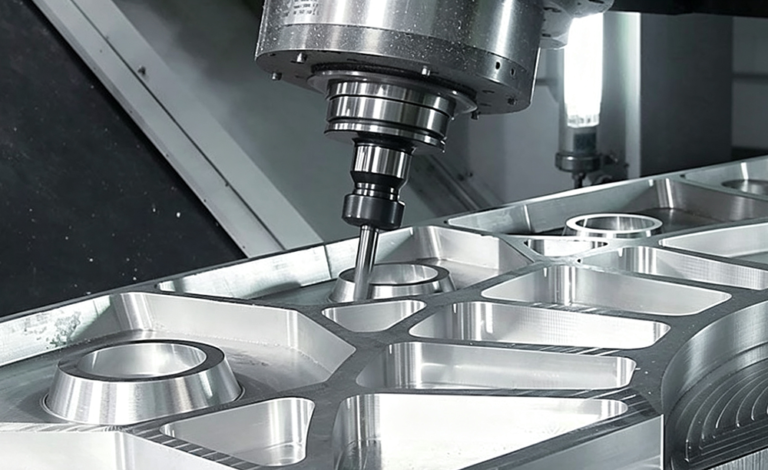
The machining processes for 304, 316, and 430 stainless steels are highly mature; cutting heat and tool wear can be effectively controlled through the proper selection of tool materials, cutting parameters, and cooling/lubrication conditions. Among them, 430 stainless steel is relatively soft and the easiest to turn, stamp, and bend, making it suitable for the mass production of sheet metal parts where appearance is a priority.
Meanwhile, 304 and 316L offer stable cutting resistance and benefit from mature processing techniques and extensive engineering experience; the associated tooling and process parameters are well-established, making them ideal for large-scale production.
In contrast, TA2 pure titanium and TC4 titanium alloy exhibit extremely poor thermal conductivity, causing machining heat to accumulate in the cutting zone and leading to severe issues such as material adhesion to the tool and tool burning.
Titanium materials possess high elasticity, resulting in significant spring-back after machining and making dimensional control difficult. Consequently, processing requires lower cutting speeds and frequent tool changes; the workflows are more complex, and both machining time and production costs are far higher than those for stainless steels, making the overall machining process significantly more challenging.
Overall, it is easier to establish stable mass-production workflows for stainless steels, whereas titanium materials impose stricter requirements regarding tooling, cooling, and workholding rigidity, typically resulting in higher processing times and tooling costs.
Ⅷ. Titanium vs Stainless Steel:Cost Comparison
In terms of cost structure, stainless steel is generally the more cost-effective choice; the cost difference between the two primarily stems from raw material prices, processing efficiency, and the maturity of manufacturing systems. Stainless steel offers a distinct cost advantage in mass production, yet titanium remains a viable option when there are stringent requirements for lightweighting and corrosion resistance.
| Material | Command Grades | Market Price(USD/KG) | Relative Cost |
|---|---|---|---|
Stainless Steel |
304/ 316 |
2-5 USD/KG |
1x |
Titanium (commercially pure titanium) |
Grade 2 |
20~40 USD/KG |
about 8 – 15× |
Titanium Alloy |
Ti-6Al-4V(Grade 5) |
30~60 USD/KG |
about 10 – 20× |
Note: The prices above represent only a reference range for common industrial materials; actual quotes will vary based on material form, specifications, purchase quantity, quality standards, supply region, and market conditions.
Regarding stainless steel, grades such as 304, 316L, and 430 benefit from highly mature global supply chains, resulting in relatively stable material prices. In typical market ranges, 304 stainless steel plate or bar stock costs approximately 15–30 RMB/kg, with 430 usually priced slightly lower; meanwhile, 316L—containing alloying elements like nickel and molybdenum—typically fluctuates between 25 and 45 RMB/kg. Overall, while stainless steel raw material costs are influenced by the prices of bulk metals like nickel and chromium, large-scale production and widespread application render its pricing structure relatively transparent.
Titanium materials, by contrast, fall into a higher cost tier. Common industrial titanium grades such as TA2 and TC4 generally cost around 100–300 RMB/kg, with aerospace-grade or high-specification materials commanding even higher prices—sometimes several times that of 304 stainless steel. This price disparity stems primarily from the complex processes involved in titanium extraction, smelting, and material preparation, as well as higher energy consumption and stringent quality control requirements, all of which drive up raw material costs.
Significant differences also exist regarding processing costs. Stainless steel benefits from a mature, standardized machining ecosystem; most parts can be machined using standard carbide tools, following stable process routes and achieving high production efficiency. Titanium alloys, however, present challenges such as concentrated cutting heat, rapid tool wear, and the need for more conservative cutting parameters. Consequently, cutting speeds must often be reduced, leading to increased processing times and higher tool consumption.
Furthermore, titanium entails stricter requirements regarding welding, surface treatment, and quality control. For instance, certain welding processes necessitate thorough inert gas shielding, while aerospace- or medical-grade components may be subject to rigorous material certification, testing, and traceability standards—all of which further drive up manufacturing costs.
Overall, stainless steel typically offers a cost advantage for mass-produced parts with limited budgets that do not demand significant weight reduction or superior corrosion resistance. Conversely, in sectors such as aerospace, marine equipment, and medical devices—where weight and corrosion resistance are critical—titanium’s higher initial cost can be offset by its extended service life and reduced maintenance requirements.
Ⅸ. Applications
Automotive Industry
Grades 430 and 304 stainless steel are commonly used for automotive interior panels, exhaust systems, decorative trim, and certain structural components, offering advantages such as lower costs, good formability, and suitability for mass production. Meanwhile, Grade 316L, with its superior corrosion resistance, is utilized for corrosion-resistant piping, connectors, and specialized components in new energy vehicles.
TC4 titanium alloy boasts a high strength-to-weight ratio, enabling weight reduction while maintaining structural integrity; consequently, it is frequently found in weight-saving components for high-performance sports cars, race cars, and some new energy vehicles. However, due to the high cost of the material and its processing, its application in standard passenger vehicles remains relatively limited.
Medical Device Industry
Titanium exhibits excellent biocompatibility and does not release nickel; grades such as TA2 and TC4 are used for permanent implants—including orthopedic support plates, dental implants, and vascular stents—due to their corrosion resistance and lack of adverse tissue reactions. However, medical-grade titanium is subject to stricter production requirements than industrial-grade titanium, often necessitating compliance with specific medical standards.
Implant-grade 316L stainless steel, which meets medical standards, is also used for bone screws, bone plates, and certain implantable devices, though it generally falls short of medical-grade titanium in terms of long-term corrosion resistance and the control of metal ion release. Grades 304 and 430 are generally not used for long-term human implantation but are suitable for non-implantable components such as surgical instruments, medical equipment housings, trays, and scalpel handles.
Aerospace & Defense Industry
TC4 titanium alloy boasts a superior strength-to-weight ratio and enables significant weight reduction; it is highly resistant to high-temperature corrosion and is widely used in aircraft airframe structures, engine blades, and missile components. While stainless steel offers superior heat resistance—making it suitable for high-temperature piping, exhaust components, and standard fasteners—its higher density means that titanium alloys or other lightweight, high-strength materials are typically preferred for weight-sensitive core structures.
Marine & Chemical Industry
The oxide film on the titanium surface provides resistance to corrosion from seawater, chloride ions, and weak acids; TA2 is the preferred material for seawater desalination equipment, offshore pipelines, and chemical reaction vessels, as it remains free of rust or corrosion during long-term use. While 316L stainless steel contains molybdenum and offers salt-spray resistance—making it suitable for mildly corrosive conditions—prolonged immersion in seawater leads to pitting corrosion. In contrast, 304 and 430 stainless steels lack sufficient corrosion resistance for long-term use in marine environments.
Food Industry
304 and 316L stainless steels are the mainstream materials for food production lines, kitchenware, storage tanks, conveying equipment, and processing vessels, offering advantages such as moderate cost, easy-to-clean surfaces, mature welding technology, and well-established supply chains. Among them, 316L is better suited for operating conditions involving high salinity, acidic media, or the frequent use of corrosive cleaning agents.
Titanium offers superior corrosion resistance and is suitable for food processing equipment handling highly saline or acidic products, as well as for certain specialized heat exchange and evaporation units. However, due to higher material and processing costs, titanium is typically reserved for critical components exposed to harsh corrosive environments and is less commonly used in standard food production equipment.
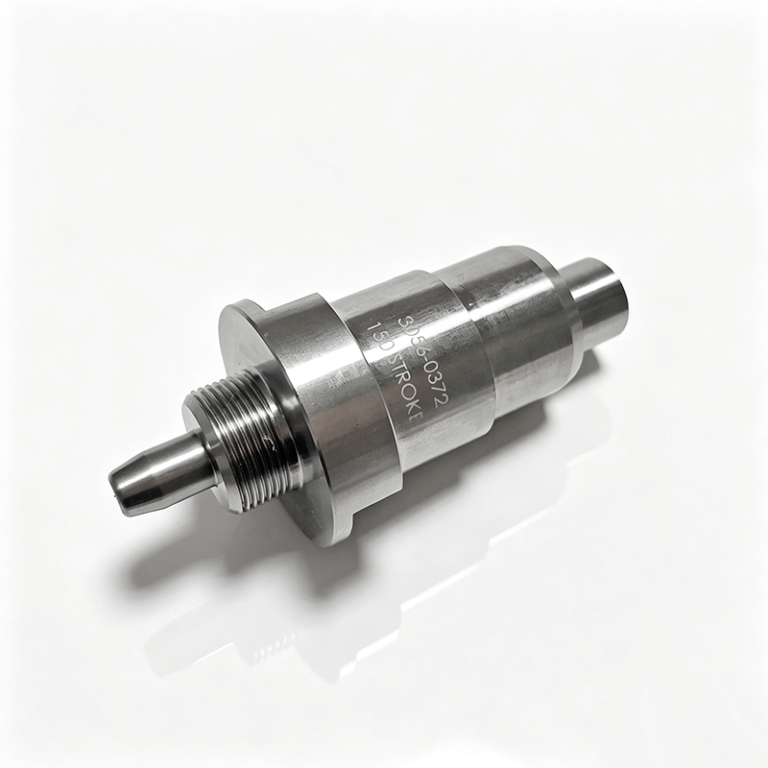
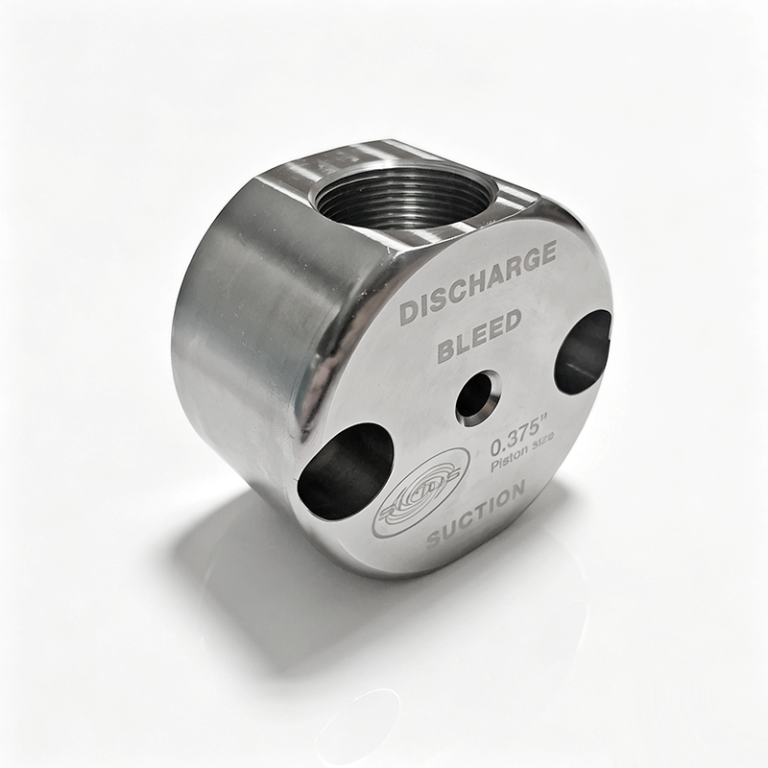
Ⅹ. When to Choose Stainless Steel?
Stainless steel is often the more suitable choice when a project meets the following criteria:
- Low budget for material and processing costs
- Stable corrosion resistance in general industrial environments
- Established and reliable processes for welding, forming, and sheet metal fabrication
- Mature manufacturing workflows suitable for high-volume, large-scale production
- Consistent surface quality, making it ideal for home appliance casings, structural components, and decorative parts
- Sufficient strength and heat resistance, provided that extreme lightweighting is not the primary objective
Consequently, stainless steel is frequently a preferred engineering choice for applications such as food processing equipment, mechanical structural components, piping systems, and various mass-produced sheet metal products.
XI. When to Choose Titanium?
Titanium and titanium alloys are generally the preferred choice when a project meets the following criteria:
- High sensitivity to weight, requiring material-based weight reduction to enhance performance or energy efficiency
- Requirement for long-term, stable service in highly corrosive environments
- Strict requirements for non-magnetic properties, low ion leaching, or high material purity
- Need for high specific strength, minimizing overall mass while maintaining structural integrity
- High demands on reliability and service life, prioritizing full lifecycle performance over initial cost
- Willingness to accept higher material and processing costs in exchange for enhanced performance
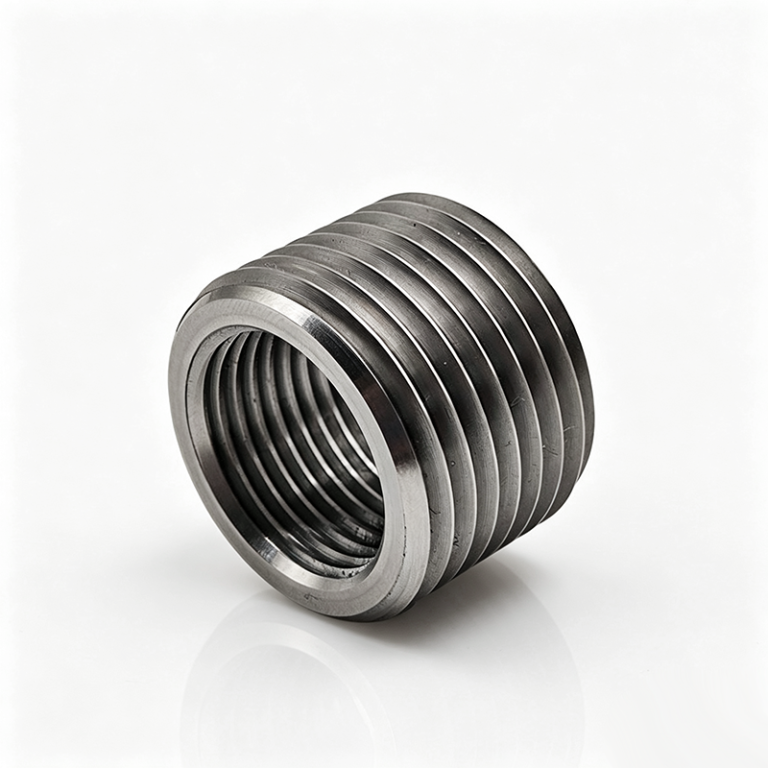
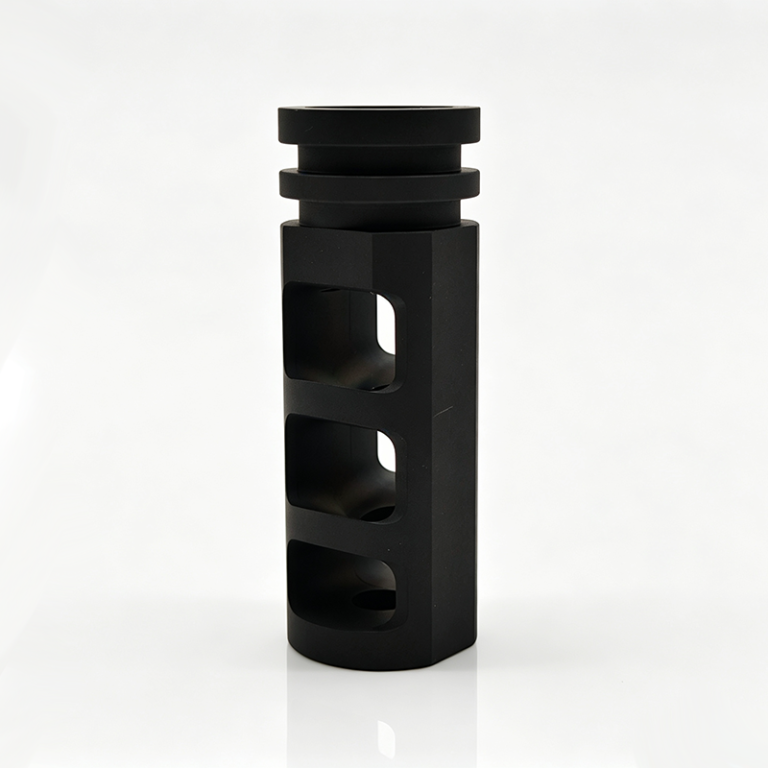
Consequently, titanium and titanium alloys are commonly selected as engineering materials for aerospace structural components, critical parts in marine engineering, medical implants, high-end drone structures, and certain high-end industrial equipment.
XII. Summary
A comprehensive comparison reveals that neither titanium nor stainless steel is inherently superior; the choice of material depends primarily on the operating environment, performance requirements, and budget constraints. Stainless steel offers lower procurement and processing costs and benefits from mature welding and mass-production technologies. Grade 304 is suitable for food-processing equipment exposed to mild corrosion, while Grade 316L handles the moderately corrosive conditions found in lithium-battery and photovoltaic applications, making them ideal for general industrial scenarios where cost control and high-volume production are priorities.
In contrast, commercially pure titanium and TC4 titanium alloy offer unique advantages—such as exceptional resistance to chloride-ion corrosion, lightweight properties, non-magnetic characteristics, and biocompatibility. These materials are suited for demanding applications like seawater pump impellers, drone structural components, medical implants, and vacuum fixtures for lithium-battery manufacturing, albeit at higher raw material and processing costs. When selecting materials, enterprises must balance service life, production scale, and investment costs to maximize overall value.
At Keywin, a company specializing in precision manufacturing, we provide processing services for both stainless steel and titanium, offering material solutions precisely tailored to your operational needs. Whether for corrosion-resistant marine components, lightweight drone structures, or parts for food-processing and photovoltaic equipment, we deliver one-stop custom processing services that balance high performance with cost-effective mass production. Please feel free to contact us to discuss material selection or prototype development.
XIII. FAQ
Q1: Is the cost of titanium too high?
A: Titanium offers lightweight properties, corrosion resistance, and excellent biocompatibility, making it suitable for the medical and aerospace sectors. Although its processing costs are two to five times higher than those of stainless steel, titanium remains an excellent choice when its specific performance characteristics are irreplaceable.
Q2: Roughly how much more expensive is it to use titanium as the primary material?
A: In terms of raw materials, the procurement cost of titanium is higher than that of stainless steel. Regarding processing, titanium requires more demanding machining techniques; the increased labor time and tooling wear drive up production costs. Consequently, there is a significant difference in the overall cost of the finished product. Simply switching to titanium as the primary material makes the total cost of standard parts 4 to 6 times higher, while for small, precision thin-walled parts, the cost can be more than 7 times higher.
Q3: I have a workpiece; how should I decide whether to use stainless steel or titanium as the primary material?
A: The choice between stainless steel and titanium depends on operating conditions and cost. If the workpiece does not require weight reduction, is intended for standard dry environments, and is subject to a limited budget, stainless steel is the preferred option; it offers lower material and processing costs, and the manufacturing process is straightforward and suitable for mass production. Conversely, if the workpiece requires weight reduction, must withstand prolonged exposure to acids, alkalis, or seawater, or is intended for medical or non-magnetic applications, titanium is the better choice. Titanium offers superior corrosion resistance and a lower specific gravity, though both material and machining costs are higher. You should weigh your specific operating environment, performance requirements, and budget to make the final decision.
Q4: How much better is titanium compared to stainless steel as a primary material?
A: Titanium offers significant advantages in terms of corrosion resistance, lightweight properties, structural strength, non-magnetic characteristics, and biocompatibility. In contrast, stainless steel can only withstand mild, routine corrosion; it is heavier and magnetic, making it unsuitable for specialized applications such as medical implants or exposure to high-salinity seawater.
Q5: Is titanium more difficult to machine than stainless steel?
A: Yes. Titanium requires strict cutting parameters; its poor thermal conductivity leads to rapid tool wear, and cutting speeds are limited, resulting in longer machining times. Additionally, the material is prone to spring-back, which can cause dimensional deviations.