Ⅰ. What is Tungsten?
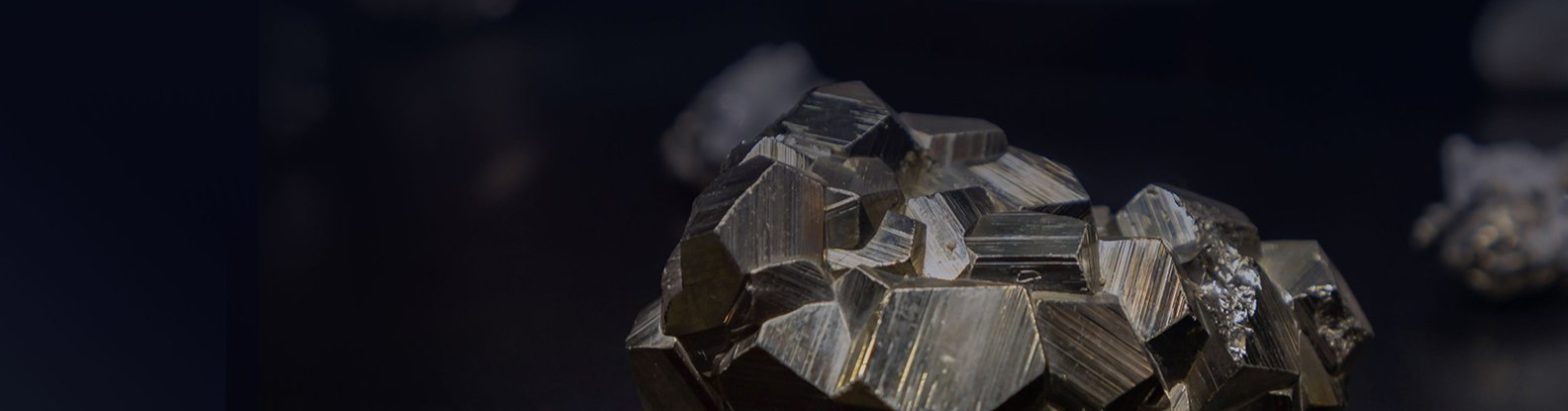
Tungsten has the highest melting point of any metal and combines exceptional hardness, high-temperature resistance, and wear resistance. It maintains stable physical and mechanical properties under extreme high-temperature conditions and is resistant to softening or deformation. For this reason, tungsten is commonly used to manufacture components for extreme operating conditions or those requiring extremely high levels of friction resistance and structural stability.
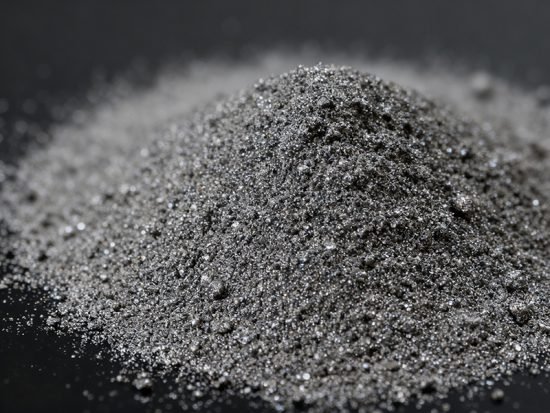
In the industrial sector, tungsten is typically used in the form of pure tungsten, tungsten alloys, and tungsten-based composites. While pure tungsten possesses an extremely high melting point and excellent high-temperature resistance, it is relatively brittle and difficult to machine, which limits its practical applications in production. In contrast, tungsten alloys, through the addition of elements such as nickel, iron, and copper, effectively improve the material’s toughness and machinability, making them more suitable for the manufacture of structural and functional components. Tungsten-based composites, meanwhile, are widely used in cutting tools, molds, and high-wear environments due to their exceptional hardness and wear resistance.
Ⅱ. Advantages of Tungsten
1. Ultra-high melting point and high-temperature resistance
Tungsten’s greatest advantage lies in its extremely high melting point and excellent high-temperature stability. With a melting point exceeding 3,400°C, it maintains structural and dimensional stability even in high-temperature environments and is resistant to softening or thermal deformation. As a result, it is commonly used in heat shields and high-temperature structural components, effectively reducing the risk of material failure caused by high temperatures.
2. High Hardness and Excellent Wear Resistance
Tungsten materials possess high hardness and good wear resistance, performing stably under friction, impact, or wear conditions. They are suitable for applications involving heavy wear or high contact loads, helping to extend component service life and reduce maintenance frequency.
3. Good Structural Rigidity and Dimensional Stability
Tungsten possesses a high modulus of elasticity and excellent structural rigidity. It is resistant to elastic deformation under stress and maintains the geometric accuracy and overall structural stability of components even in high-temperature environments, making it suitable for critical structural components with high reliability requirements.
Combining the advantages of high-temperature resistance, wear resistance, and stability, tungsten is often selected for extreme operating conditions or applications with high demands on friction performance and structural stability, such as high-temperature structural components, wear-resistant parts, and specialized industrial components.
4. High Material Density
Tungsten has a high density, making it widely used in parts requiring weight, such as golf equipment and certain sports equipment.

Ⅲ. Disadvantages of Tungsten
1. Difficult to Machine
Due to its extremely high hardness and strength, and the fact that most tungsten materials are produced via powder metallurgy—resulting in a dense microstructure and high cutting resistance—tungsten is prone to rapid tool wear and low machining efficiency during mechanical processing. It typically requires more rigorous machining strategies and specialized cutting tools.
2. High Material Density
Tungsten has a high density, which is not advantageous in weight-sensitive applications. Compared to lightweight materials such as aluminum and titanium alloys, tungsten is better suited for applications where performance requirements take precedence over weight reduction.
3. Higher Cost
The raw material cost of tungsten is high, and combined with the difficulty of machining and complex processes, this results in relatively high overall manufacturing costs. Therefore, tungsten is typically used for critical components with specific performance requirements and is not suitable for large-scale, low-cost applications.
Ⅳ. Applications of Tungsten
Although tungsten poses significant technical challenges during processing, its comprehensive properties—including high-temperature resistance, wear resistance, and structural stability—ensure it remains a vital material in industrial manufacturing.
Specifically, tungsten is commonly used in the following areas:
- High-temperature structural components
With its extremely high melting point and excellent high-temperature stability, tungsten is commonly used in the fabrication of high-temperature structural components, thermal shielding parts, and heat-resistant support structures, such as high-temperature nozzles and heat-shielding brackets in engines or propulsion systems.
- Wear-Resistant Components
Due to its high hardness and exceptional wear resistance, tungsten performs reliably under conditions of friction, impact, and abrasion, making it widely used in cutting tools, molds, and wear-resistant components.
- Electronics, Power, and Energy Industries
Tungsten maintains stable performance at high temperatures and is commonly used in electrodes, heating elements, and high-reliability functional components, such as heating assemblies in industrial heating systems, high-temperature electrodes, and conductive and support components within vacuum equipment.
- Aerospace and High-Reliability Industrial Equipment
Thanks to its excellent high-temperature strength, creep resistance, and structural stability, tungsten is used in critical components for aerospace, defense, and other industrial equipment with extremely high reliability requirements, such as high-temperature nozzles, thermal protection, and insulation components.
Ⅴ. Summary
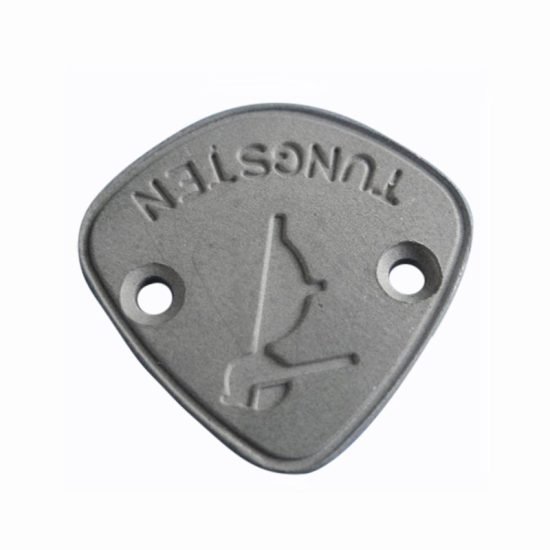
Tungsten is a metal material that combines exceptional hardness, high-temperature resistance, and wear resistance. Its most notable characteristic is its ability to maintain structural and dimensional stability at high temperatures, making it commonly used in extreme operating conditions such as aerospace and automotive applications.
However, it is difficult to machine and involves high processing costs; typically, highly specialized machining strategies and dedicated cutting tools are required to successfully machine tungsten.
Keywin specializes in the metal machining sector and is capable of efficiently machining various types of metal materials. With extensive experience in tungsten machining, we can effectively address the challenges involved in the process and produce tungsten parts that meet diverse performance requirements. If you have machining needs for tungsten or other materials, please contact us for a customized machining solution and quote.