Ⅰ. Introduction
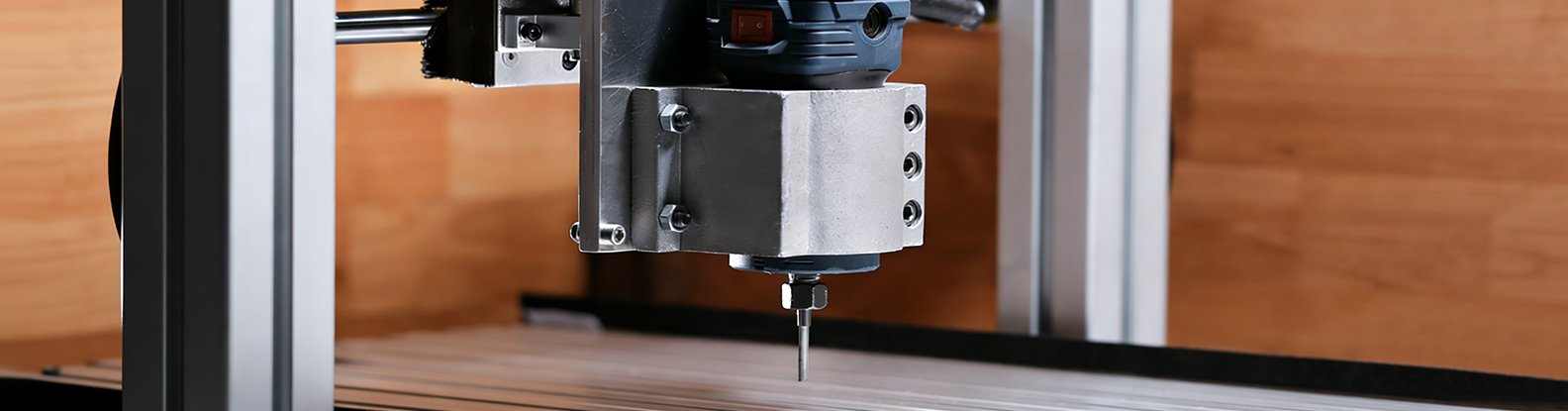
CNC Routing (also known as CNC engraving) uses computer-controlled cutting tools to carve, cut, and create custom shapes from materials. Simple to operate and low-cost, it is ideal for small-batch custom production. Unlike CNC milling, it focuses primarily on thin-material processing rather than high-precision work on thick parts, delivering strong cost efficiency to efficiently meet custom machining needs.
Ⅱ. What is CNC Routing?
CNC engraving is a machining process in which a cutting tool is controlled by a computer program to engrave, cut, and shape the surfaces of various materials. Similar to other CNC machining methods, its core objective is to process materials into specific shapes or structures.
The difference lies in the focus of the machining: CNC engraving is more oriented toward precision machining and surface detail finishing, typically using finer cutting tools and higher spindle speeds, making it suitable for producing intricate textures, text, logos, and other detailed elements; whereas conventional CNC machining places greater emphasis on structural component machining, such as thick workpieces, deep cavities, or high-strength parts, using larger, more rigid cutting tools, and is better suited for heavy-duty machining operations.
Furthermore, compared to traditional manual engraving, CNC engraving—through program control—achieves higher machining precision and stability, along with greater efficiency and better repeatability. As a result, it is widely used in advertising signage, mold manufacturing, craft production, panel engraving, and the production of various precision parts.
Ⅲ. What Materials Can CNC Routing Machine?
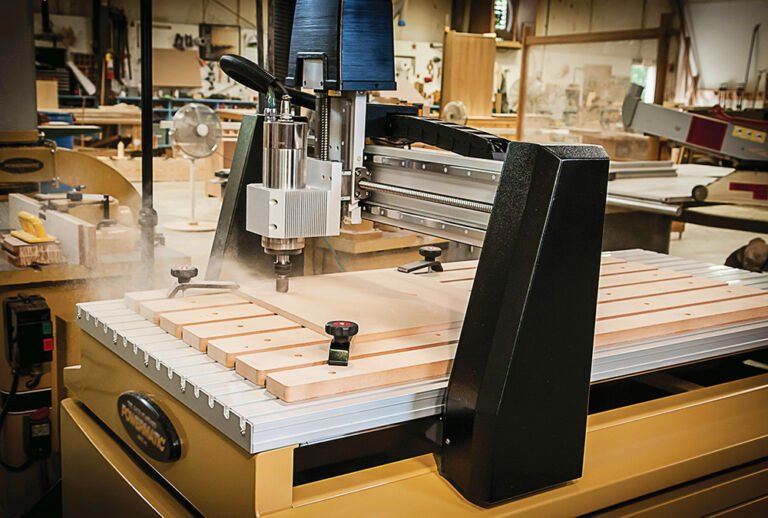
CNC routing, also known as CNC milling or CNC engraving, can process a wide variety of materials. The most common materials include:
Wood: solid wood, plywood, MDF, particleboard
Plastics: acrylic, PVC, ABS, PP, PE, nylon, bakelite
- Metals: Aluminum alloy, copper, brass, and other soft metals
- Other materials: Foam, sponge, engineered stone, epoxy board, fiberglass board
Generally speaking, materials that are not too hard, have moderate toughness, and are not prone to chipping can be processed using CNC routing.
Materials that are not well-suited for, or even discouraged from, processing with a CNC engraving machine primarily include:
- High-hardness metals: hardened steel, stainless steel, titanium alloys, etc. (require specialized machines and cutting tools)
- Extremely brittle materials: ordinary glass, ceramics, stone (prone to chipping and damaging the cutter)
- Highly elastic, cutter-adhering materials: soft rubber, thick silicone
- High-temperature, easily meltable, or toxic materials: certain plastics with high thermal melting points or those that emit harmful fumes when burned.
Simply put: materials that are softer, less brittle, less prone to tool adhesion, and safer are most suitable; conversely, materials that are too hard, too brittle, too sticky, toxic, or pose high-temperature hazards are unsuitable. If you are interested in materials, please refer to our material page for a detailed introduction.
Ⅳ. What Can CNC Routing Machine?
CNC routing is primarily used for precision machining of flat and shallow three-dimensional surfaces, and is suitable for processes such as contour cutting, slotting, drilling, relief carving, engraving, and chamfering. Common applications include: signs, panels, decorative parts, mold blanks, jigs, picture frames, furniture components, aluminum heat sinks, and thin-walled parts. Simply put, CNC routing is better suited for parts with simple structures, thin walls, complex shapes, and a focus on surface engraving; it is not suitable for heavy-duty cutting or the machining of thick, hard metal parts.
Ⅴ. Which Industries Use CNC Engraving Machines?
CNC engraving machines can be viewed as a cost-effective alternative to CNC milling machines. Thanks to their high cost-effectiveness and flexibility, they are widely used across multiple industries, primarily in the following areas:
- Furniture Industry: CNC engraving machines are used to process various wooden and plastic furniture components, performing tasks such as shaping, slotting, and carving with high efficiency and precision.
- Mold Manufacturing Industry: These machines are commonly used to process wooden models, which are then used to create sand molds for metal casting. Wooden molds are cost-effective and can be rapidly produced on CNC engraving machines, making them highly practical.
- Packaging Industry: They can precisely cut materials such as foam to create customized liners and outer shells, which are often used for protective packaging of precision and high-value products.
- Signage and Advertising Industry: Capable of engraving personalized text and patterns to produce various signage and advertising-related products. Suitable materials include wood, acrylic, PVC, and other sheet materials.
Ⅵ. CNC Routing vs CNC Milling: What’s the Difference?
| Criteria | CNC Routing | CNC Milling |
|---|---|---|
Application Scenarios |
Small-batch customization, fine machining of soft/thin materials |
Mass production of precision parts, complex machining of hard/thick metals |
Material Compatibility |
Wood, plastic, foam, soft metals, and composite materials; not suitable for high-hardness metals |
Nearly all CNC-machinable materials (from plastics to hard metals/alloys); compatible with thick and high-hardness materials |
Machining Capabilities |
Cutting, grooving, drilling, surface engraving |
Deep cavity machining, complex 3D structure machining, high-precision machining |
Part Types |
Furniture panels, advertising signage, display structures, packaging components |
Mechanical parts, structural components, molds, precision components |
Precision |
Medium Precision |
High Precision |
Machining Thickness |
Suitable for thin/medium-thickness plates |
Capable of machining thick parts/solid blocks |
Cost |
Low cost, suitable for small-batch or customized production |
High cost, suitable for high-requirement parts |
Ⅶ. Advantages of CNC Routing
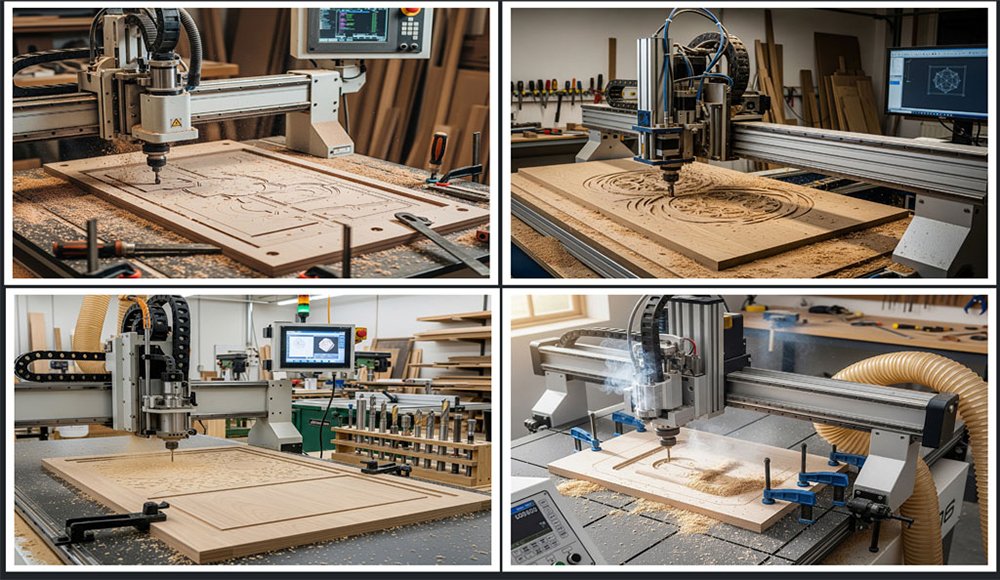
It is easy to operate and offers lower overall costs, making it particularly well-suited for small-batch, customized production. It is highly efficient when machining soft materials such as wood, plastic, and foam, as well as thin materials, and can even easily handle complex surface engraving and contour cutting. It does not require high-end equipment and has a low learning curve.
Ⅷ. When Should You Choose CNC Routing?
If any of the following scenarios apply to you, choosing CNC routing is the right decision—it offers great value for money and is easy to use. First, it’s particularly well-suited for machining wood, acrylic, PVC, foam, or thin, soft metals, delivering smooth and efficient cutting and engraving.
Second, for small-batch custom parts and personalized products (such as custom signs or furniture components), it’s easy to operate and requires minimal technical expertise, allowing you to bring your designs to life quickly.
Third, for small businesses or startups with limited budgets, it’s more affordable than CNC milling and offers sufficient precision for machining soft materials.
Ⅸ. Summary
CNC routing is a precision machining process in which computer programs control cutting tools to engrave, cut, and shape materials. Its advantages include ease of operation, low entry barriers, and high cost-effectiveness, making it ideal for small-batch customization. It is particularly suitable for processing soft or thin materials when budgets are limited and small-batch customization is required. With overall costs lower than those of CNC milling, it efficiently meets customized machining needs.
Keywin offers end-to-end CNC machining services, backed by advanced equipment and professional expertise, ensuring precise execution of CNC engraving designs. We handle everything from prototyping to mass production, delivering high precision and excellent value for money. Please contact us for a quote.
Ⅹ. FAQ
- What are the specific components of a CNC engraving machine?
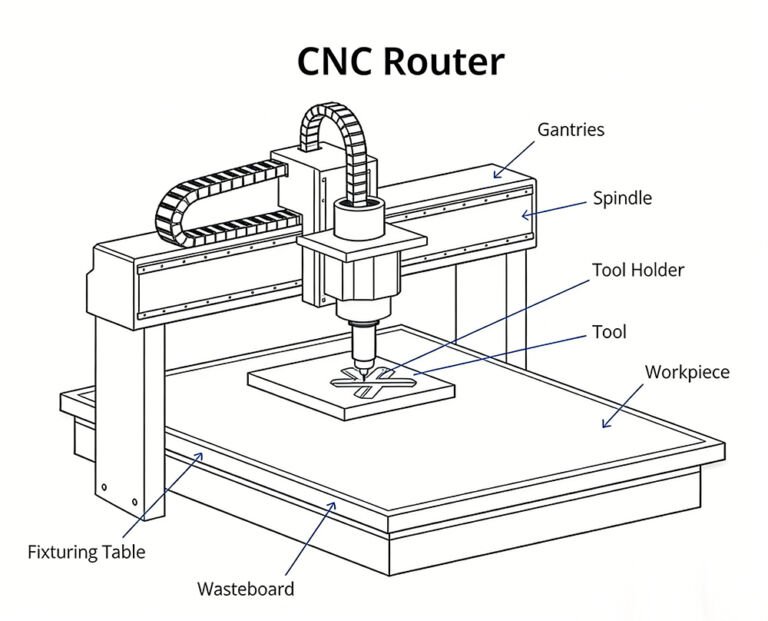
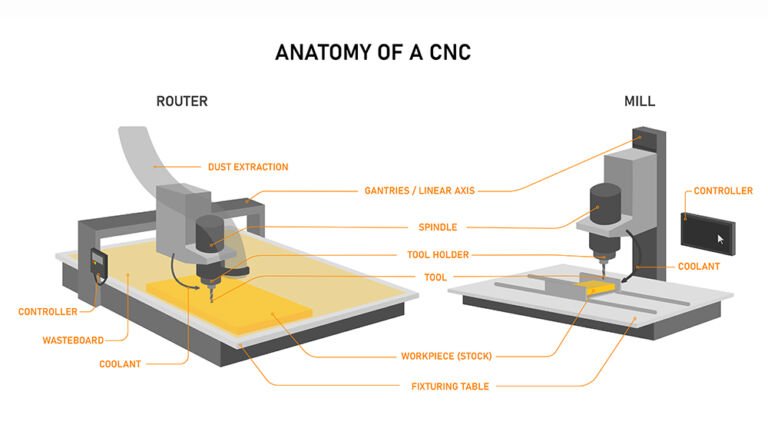
The main components include the machine bed, motion guides, lead screws, spindle motor, tool head/cutting tools, control system, drive motors, worktable, control cabinet, limit switches, and sensors.
- What software is used with CNC engraving machines?
Common software falls into two categories: design and programming software (ArtCAM, Type3, Mastercam, UG, Powermill) and control systems (Weihong, Neway, Baoyuan, Shanlong).
- How accurate is CNC routing?
Standard accuracy ranges from ±0.05 to ±0.1 mm, while high-end models can achieve ±0.02 mm. Accuracy is influenced by machine rigidity, the spindle, cutting tools, and process parameters.
- Can CNC routing machines cut metal?
Yes, but only soft metals such as thin aluminum and copper; thick plates, carbon steel, and stainless steel are better suited for CNC milling, and heavy-duty cutting with a CNC router is not recommended.
- What factors affect the cost of CNC routing?
The cost of CNC machining is influenced by several factors, primarily the following:
- Material type
Prices vary significantly between different materials. For example, wood, plastic, and foam are relatively inexpensive, while materials like aluminum sheets are more expensive and more difficult to process.
- Material Thickness and Dimensions
The thicker the material and the larger the dimensions, the more processing time and material are required, resulting in higher overall costs.
- Design Complexity
The more complex the cutting path (such as intricate patterns, complex contours, or numerous holes), the longer the processing time, and the higher the cost.
- Processing Time
CNC routing is typically billed by processing time; the larger the cutting area and the longer the path, the higher the cost.
- Precision and Surface Requirements
If higher precision or a finer surface finish is required (such as intricate engraving details), the processing difficulty increases, which also raises costs.
- Order Quantity
Small batches or single-unit custom orders are more expensive, while mass production can lower the unit price. Click to visit our small-batch production page for cost-effective solutions