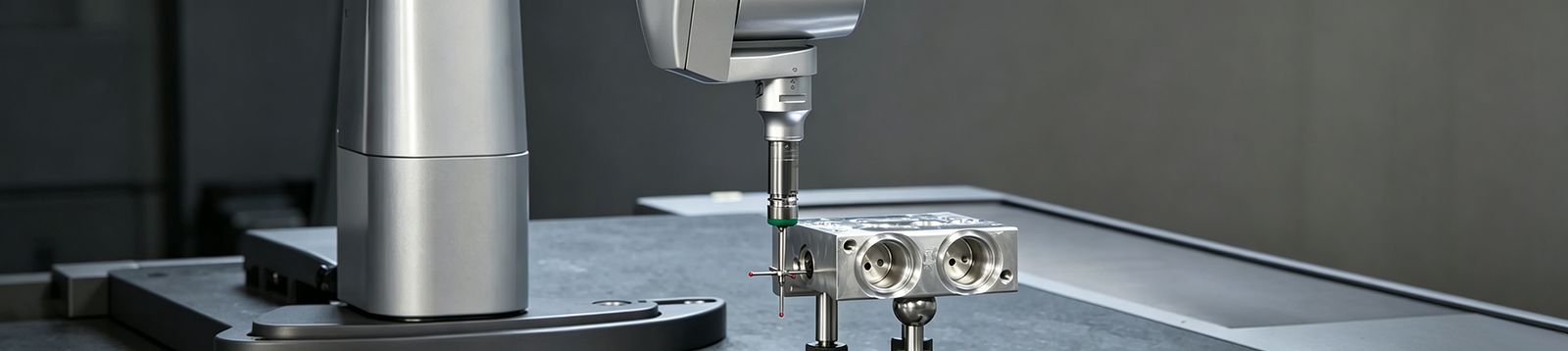
What Is CMM Inspection? CNC Part Measurement, Reports, and Limitations
CMM inspection uses a coordinate measuring machine to collect three-dimensional measurement data from a part and compare the results with the dimensions, geometry, and tolerances specified in the engineering drawing or CAD model. This data helps determine whether the inspected

SFM in Machining: Formula, RPM Conversion, and Material Speed Chart
Master SFM in machining with RPM conversion formulas, key influencing factors like tool coating and coolant, common tool-wrecking errors, and material-specific cutting speeds for optimal tool life and surface quality.
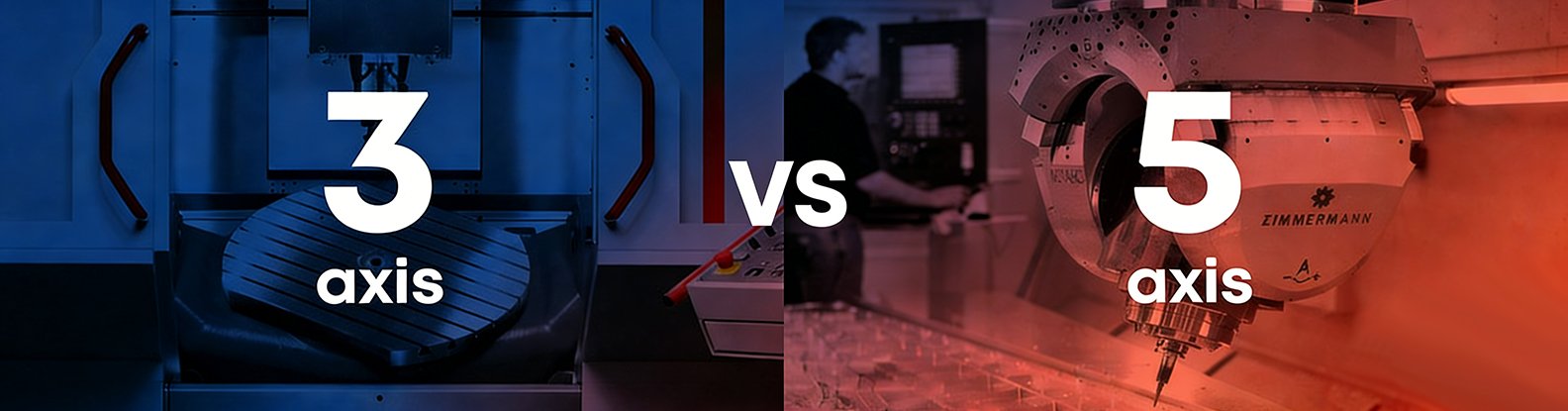
3-Axis vs 5-Axis CNC
Comparing 3-axis and 5-axis CNC machines from different aspects. It analyzes their respective advantages, applicable scenarios and core differences, helping to choose suitable equipment based on part complexity and production requirements.
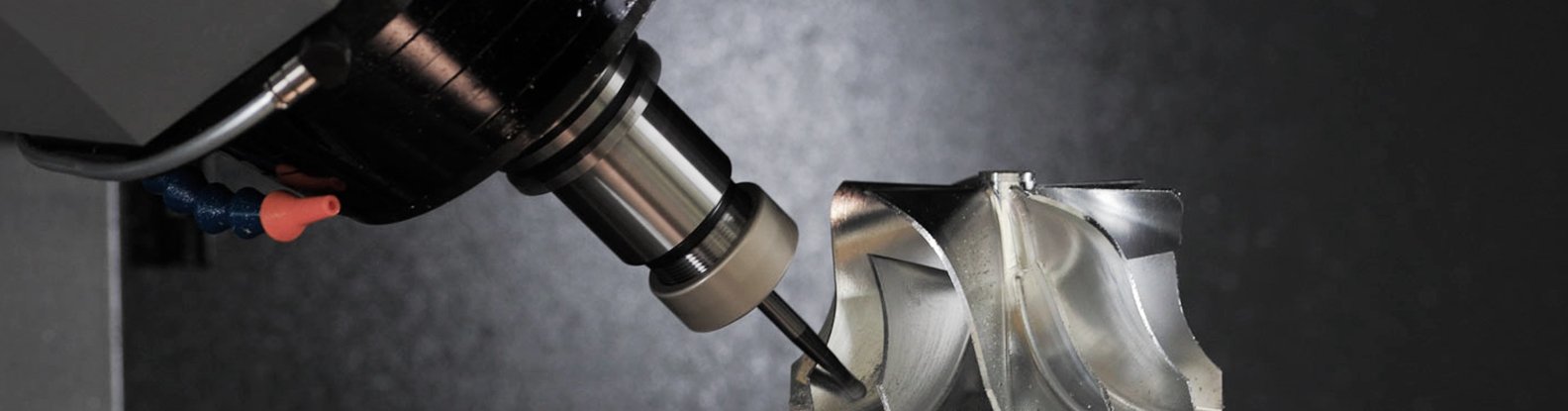
What is a 5 Axis CNC Machine?
A 5-axis CNC machine combines 3 linear (X/Y/Z) and 2 rotary axes, enabling single-setup, high-precision machining of complex curved/irregular parts. It boosts efficiency and surface quality, but faces high costs and complex programming.
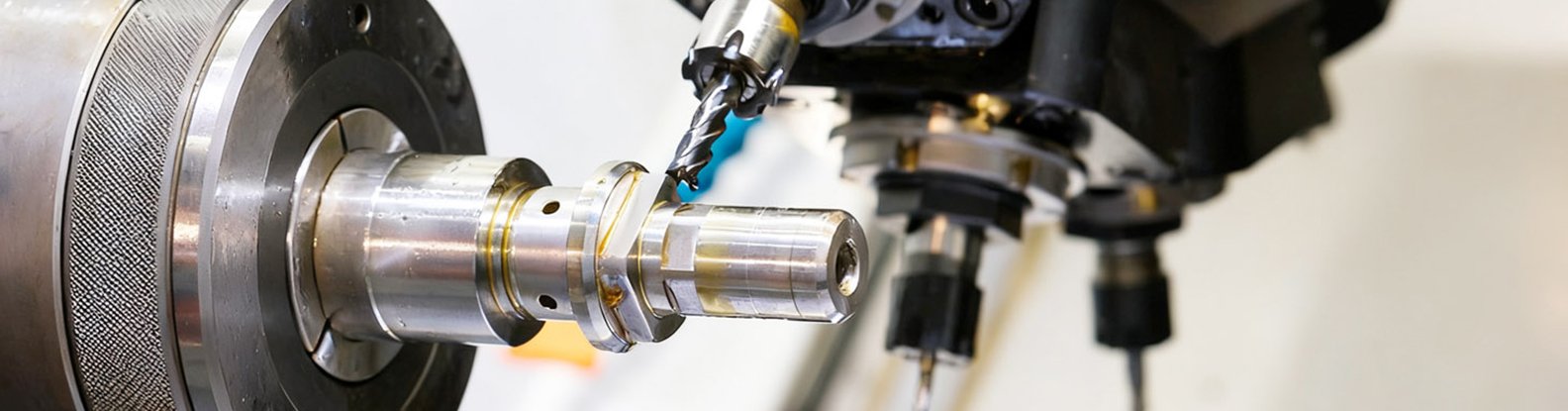
What is CNC Turning?
CNC turning is a computer-controlled precision machining process that cuts rotating workpieces on CNC lathes. It performs external turning, boring, threading, grooving, facing and more, ideal for axisymmetric parts like shafts, flanges and connectors.
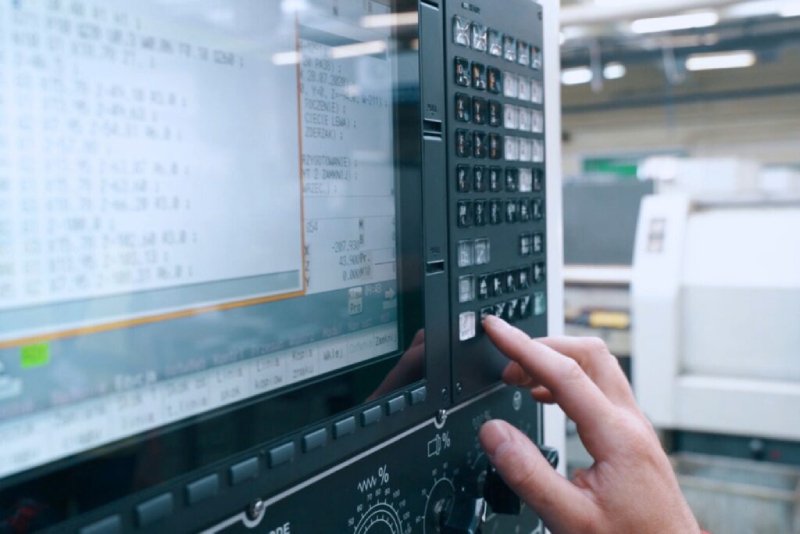
What is CNC Programming
CNC programming (computer numerical control programming) is the process of converting a part design into machine-readable CNC codes. These codes control the CNC machine to automatically perform precision machining of parts.