Sand Casting vs Investment Casting: Introduction and Selection Guide
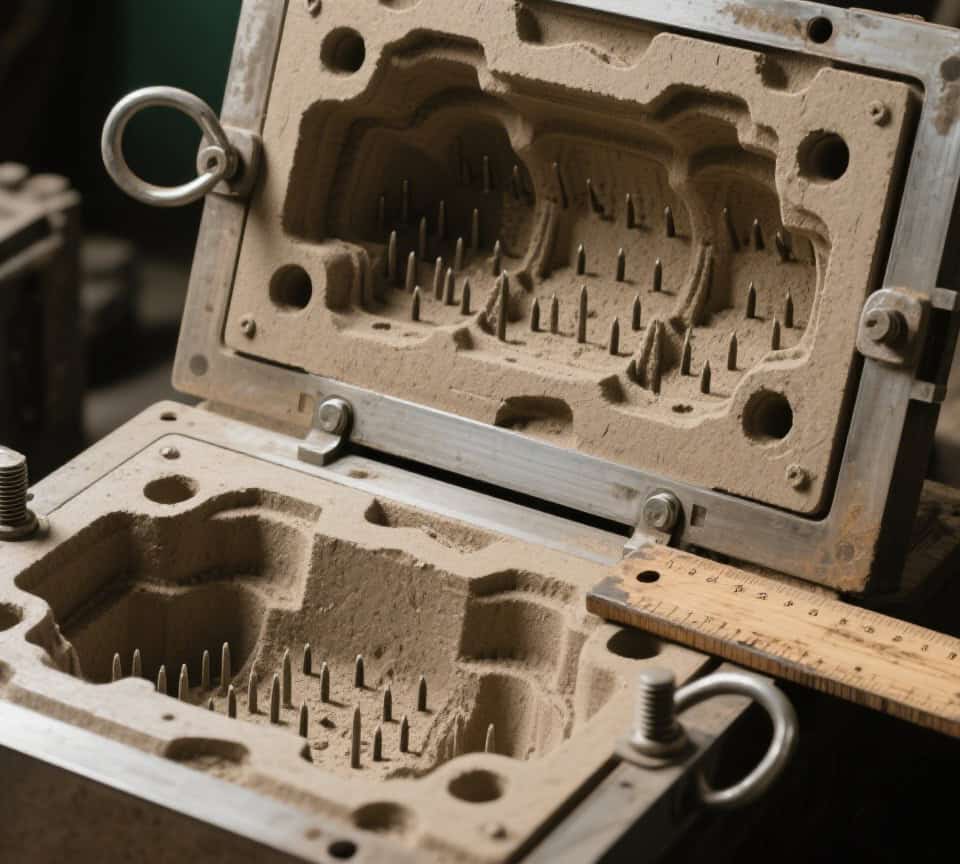
Sand casting and investment casting are key metal-forming methods. Sand casting fits large/simple parts. Investment casting offers high precision finishes for small/complex parts. This guide helps teams choose based on part size, complexity, volume, budget and accuracy.

Precision CNC Machining: Supporting Custom Projects at Every Stage of Product Development
Precision CNC machining aids custom hardware development—prototypes for design checks, precise parts for verification, small-batches for mass production. Keywin strengthens this with multi-axis equipment and engineering help, speeding up product launches.

Small Batch CNC Machining: A Vital Asset for Flexible Manufacturing
Small-batch CNC fits prototype validation, market testing, custom production— fast turnaround, low MOQs. This article outlines suitable projects, criteria to help teams make smarter manufacturing decisions.

Sand, Die, and Investment Casting: What’s the Difference and Which One Should You Choose?
Compare traits, typical applications for sand, investment, die casting, and selection guidelines based on project needs (part complexity, production volume).

Why Automotive Parts Fail Without Proper Die Casting:Common Issues and How to Prevent Them
Common failures of automotive parts from improper die-casting, their causes (material selection, mold design) and prevention methods are analyzed.
Auto Die Casting Explained: Process, Materials & Benefits in Automotive Manufacturing
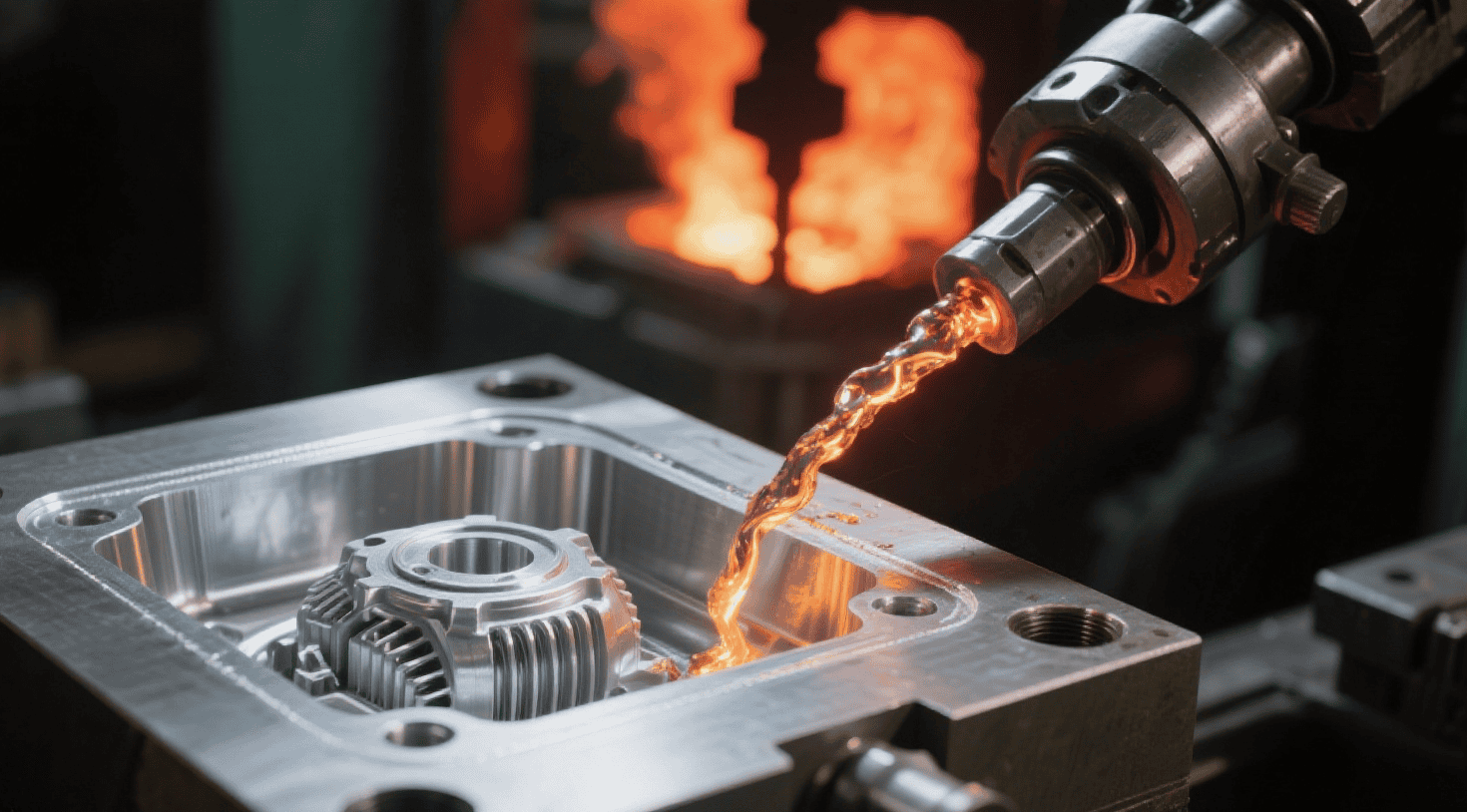
Auto die casting is a high-pressure automotive metal forming process: molten alloys injected into precision molds yield high-precision, lightweight parts with advantages and limitations.