
Black Anodized Aluminum: Process, Finishes & Applications
Find out why black anodized aluminum is favored for CNC parts, including Type II/III differences, selection tips, dimensional impacts, comparisons with other black finishes and engineering drawing specs.

Wood Machining: CNC Processes & Material Selection for Engineers
Explores CNC wood machining feasibility, key processes, material selection (hardwoods/softwoods/engineered panels), design rules, and defect prevention—helping engineers turn wood designs into precise, manufacturable products.

CNC Machining Bronze: Grades, Parameters & Selection Guide
Explains bronze’s advantages and applications, introduces mainstream bronze grades. It shares standard machining parameters, achievable tolerances, surface finish standards and machining processes, helping finish material selection, process planning and procurement decisions.
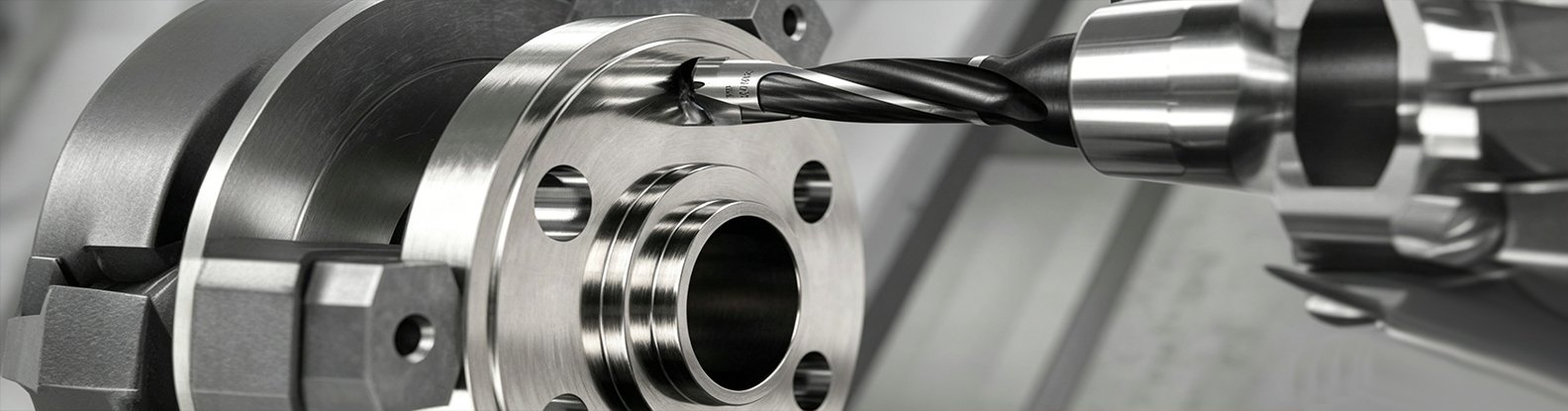
Blind Hole : Definition, Symbol, and Engineering Applications
As a basic mechanical feature, blind hole differs greatly from through-holes that run entirely through materials.
It delivers core strengths including reliable sealing performance. Yet blind holes have obvious drawbacks and higher machining difficulty. It is the best choice for
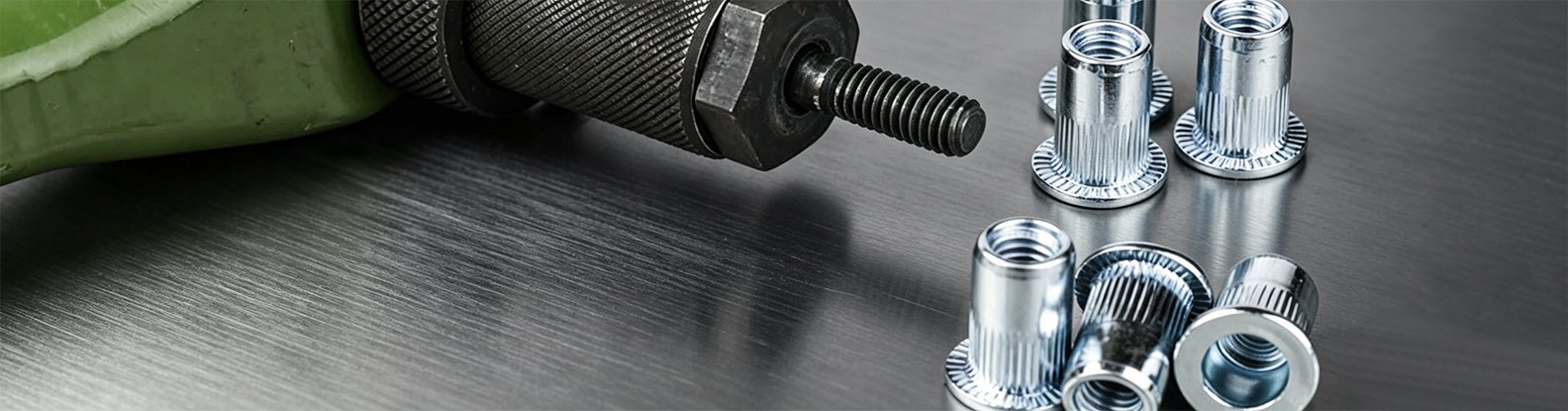
What Is a Rivet?
This article clearly defines what a rivet is and explains its unique working mechanism. It also introduces mainstream types, common materials and practical application scenarios. Read on to systematically learn about rivets.
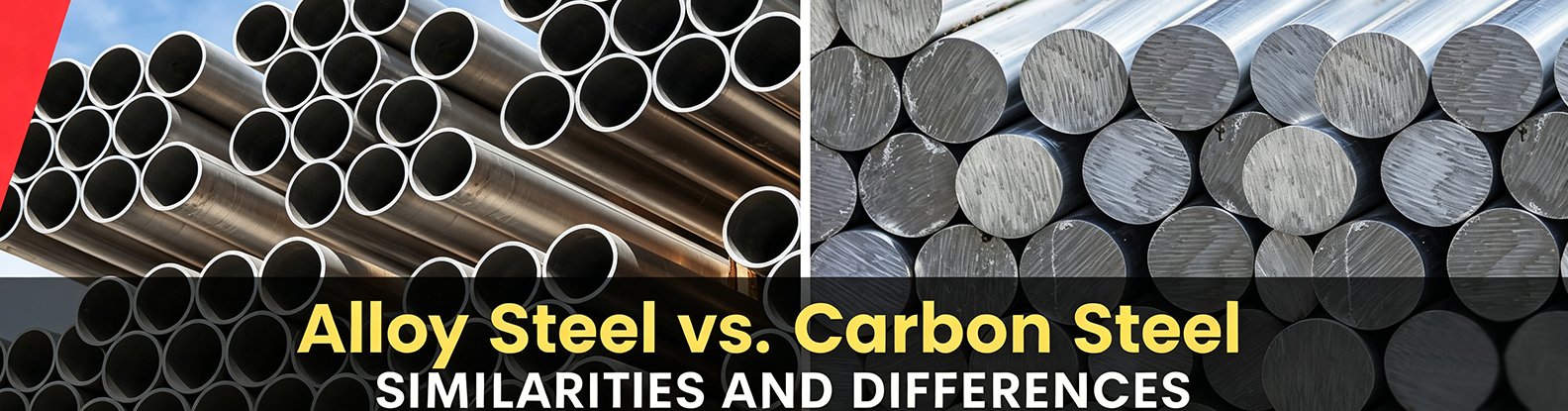
Alloy Steel vs. Carbon Steel: What Is the Difference?
Learn the key differences between alloy steel and carbon steel. Compare their strength, corrosion resistance, machinability, cost, and applications to select the ideal material for your project or industrial needs.