What is CNC Programming
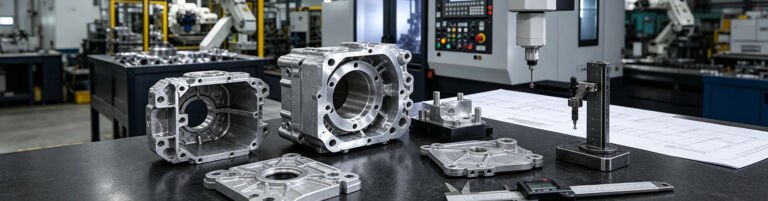
CNC programming (computer numerical control programming) is the process of converting a part design into machine-readable CNC codes. These codes control the CNC machine to automatically perform precision machining of parts.
We have distilled the essence of our extensive experience in the manufacturing sector. Here, we generously share in-depth industry insights, valuable tips and hard-earned knowledge that we have carefully accumulated over the years to help you in this dynamic field.

CNC programming (computer numerical control programming) is the process of converting a part design into machine-readable CNC codes. These codes control the CNC machine to automatically perform precision machining of parts.

Aluminum is a silvery-white lightweight metal characterized by its low density, excellent corrosion resistance, and superior electrical and thermal conductivity. This article will explore the properties, advantages and applications of aluminium.

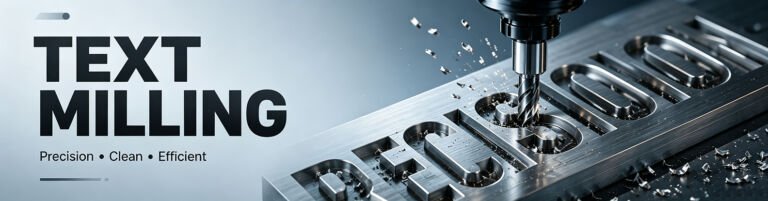
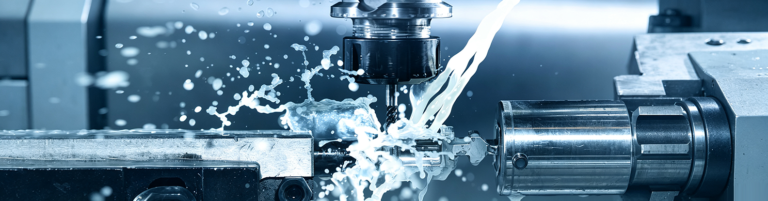
CNC milling is a subtractive machining process in which a rotating cutting tool follows a programmed toolpath to remove material and produce parts that meet precise design specifications.

A threaded hole is created by machining helical internal threads inside a hole, designed to allow screws or bolts to be screwed in and form a stable connection with the part. In CNC machining, threaded holes are widely used in

Discover the ins and outs of manufacturing’s go-to metal surface finishing techniques (electroplating, anodizing, spraying, etc.)—their strengths, compatible materials and how to choose the right one.

Discover the key steps of sheet metal fabrication—from material selection and design review that delivers precise, high-quality, and durable CNC-machined sheet metal products.