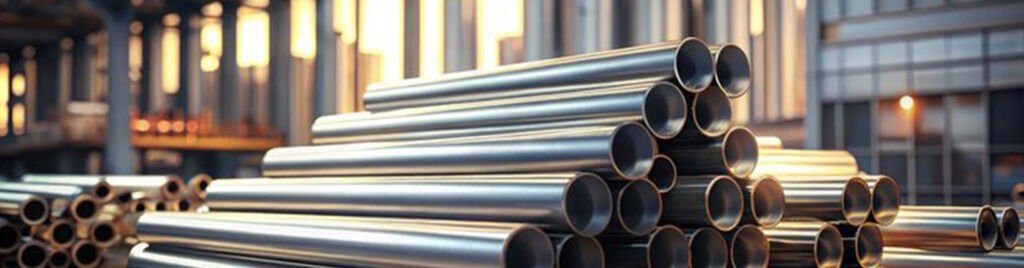
18/8, 18/10, and 18/0 stainless steel: What are the differences between them?
18/8, 18/10 and 18/0 stainless steels, detailing their compositional differences as well as the unique advantages and disadvantages of each grade. It also clarifies the key distinctions between them, providing clear and practical guidance to help you select the most

Climb Milling VS Conventional Milling
Climb milling and conventional milling are two basic cutting methods in CNC milling. Climb milling moveswhile conventional milling moves against feed with thin-to-thick chips, suitable for old machines and roughing castings. Choice depends on equipment, material and machining needs.

Free CAM Software for CNC
There are many excellent free CAM software options for CNC machining. Fusion 360, EstlCAM, FreeCAD, PyCAM and Kiri:Moto are the most popular choices. They support tool path generation, machining simulation and fit different users and operating systems. You can select
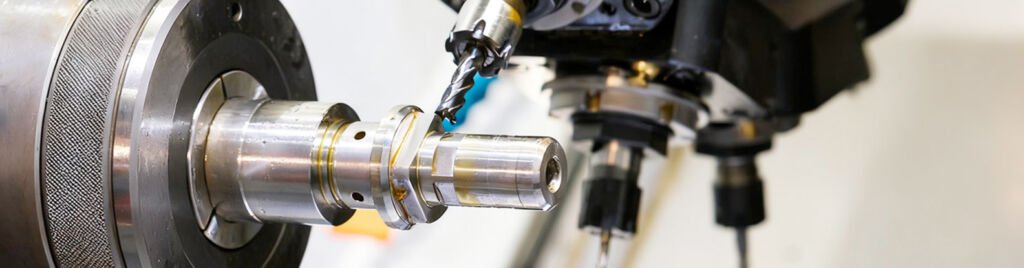
What is CNC Turning?
CNC turning is a computer-controlled precision machining process that cuts rotating workpieces on CNC lathes. It performs external turning, boring, threading, grooving, facing and more, ideal for axisymmetric parts like shafts, flanges and connectors.
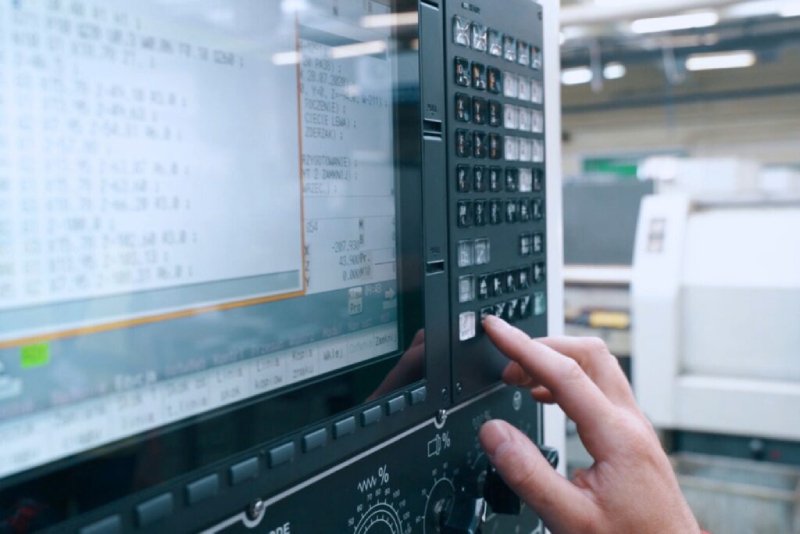
What is CNC Programming
CNC programming (computer numerical control programming) is the process of converting a part design into machine-readable CNC codes. These codes control the CNC machine to automatically perform precision machining of parts.
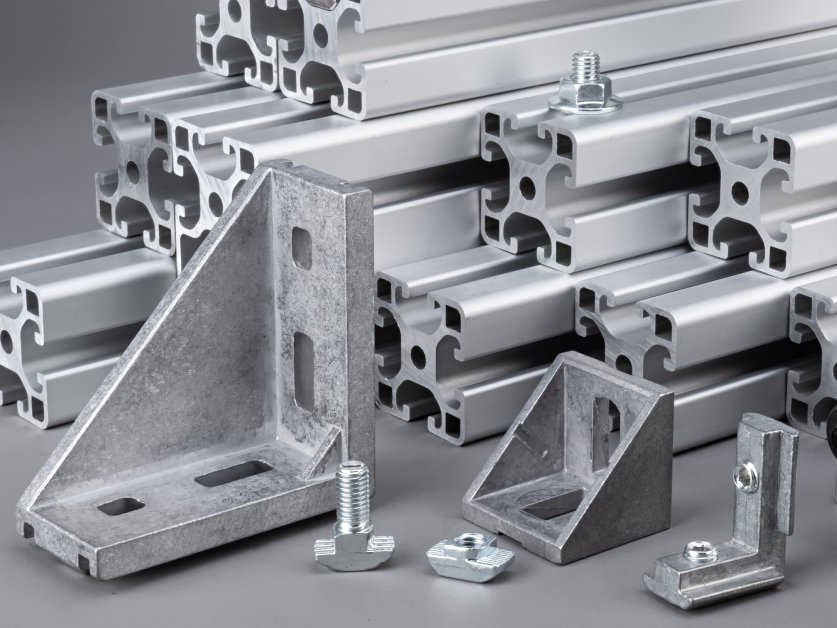
What is Aluminum? Understanding Its Properties, Types, and Common Uses – Copy
Aluminum is a silvery-white lightweight metal characterized by its low density, excellent corrosion resistance, and superior electrical and thermal conductivity. This article will explore the properties, advantages and applications of aluminium.

What Is CMM Inspection? CNC Part Measurement, Reports, and Limitations
CMM inspection uses a coordinate measuring machine to collect three-dimensional measurement data from a part and compare the results with the dimensions, geometry, and tolerances specified in the engineering drawing...
Read More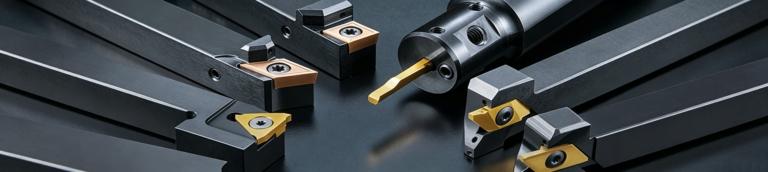
Lathe Tooling Guide: Types of Metal Lathe Tools and How to Choose
This lathe tooling guide covers cutting inserts, tool holders and boring bars for metal turning. It runs through tool types for external turning, facing, boring, grooving, threading and knurling, alongside...
Read More
Sinker EDM Process Selection Guide
Sinker EDM uses spark erosion to machine cavities in hard metals. This guide helps pick the process based on part geometry and tool access. It explores how sinker EDM forms...
Read More
Peripheral Milling: Process, Types, Applications, and Tool Selection
Peripheral milling relies on cutter peripheral edges to machine part sides and profiles. This guide breaks down its main variants — slab, side, slot, straddle and profile milling — and...
Read More
Tungsten vs Titanium: Properties, Strength, Weight, and Machinability
Compare tungsten and titanium across key engineering properties: density‑weight, strength, hardness, stiffness, thermal performance and corrosion resistance. This guide breaks down each metal’s unique machinability hurdles and alternative manufacturing options.
Read More
Multi-Axis Machining: 4-Axis, 3+2, and 5-Axis CNC Explained
Multi‑axis CNC machining demystifies 4‑axis, 3+2 and full 5‑axis operations, explaining linear and rotary axes and the gap between indexed and simultaneous motion. It compares 3‑, 4‑, 3+2‑ and 5‑axis...
Read More
What Is CNC Machining? A Practical Guide for Buyers
CNC machining produces tight‑tolerance components and clarifies how it differs from standard CNC work. It walks through the end‑to‑end workflow: CAD file submission, DFM review, in‑process machining controls and final...
Read More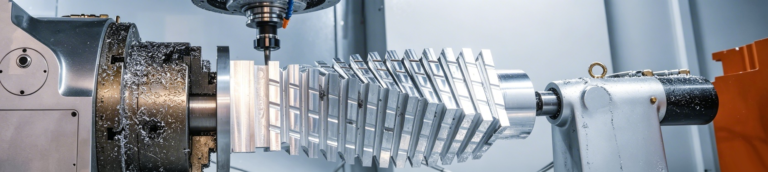
Precision Machining: A Buyer’s Guide to Tolerances & Cos
Precision machining delivers tight‑tolerance parts, with clear distinctions from standard CNC work. Its full production workflow runs from CAD submission and DFM review, through in‑process controls to final inspection. Learn...
Read More
Polyamide vs Nylon: What’s the Difference and Which to Choose
Clarifying the frequently confused terms polyamide and nylon, this overview covers aliphatic, aromatic and semi‑aromatic polyamide families. It compares mainstream grades: PA6, PA66, low‑moisture‑absorption PA11/PA12, and glass‑filled nylon, highlighting moisture‑driven...
Read More
Brushed Aluminum Finish: Process, Grit, Alloys & Cost Guide
Brushed aluminum produces distinct linear‑grain textures for metal parts. It walks through its step‑by‑step workflow, grit selection, and differences between hand, machine and CNC brushing. It reviews compatible aluminum alloys,...
Read More
Bead Blasting: Process, Surface Finish, Cost & Selection Guide
Bead‑blasting is a widely‑used abrasive surface‑finishing process. It covers blasting‑media selection, core process parameters and the comparison between dry and wet blasting. It explores attainable Ra roughness range, material‑related surface...
Read More
Titanium vs Aluminum: A CNC Machining Selection Guide
Titanium and aluminum are frequent choices for CNC‑machined parts with contrasting material traits. This comparison covers their strength, fatigue‑resistance, stiffness, corrosion and thermal properties. It examines metal machinability, titanium‑specific machining...
Read More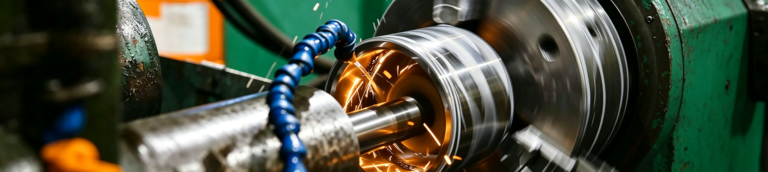
Grinding Machining: Types, Precision & Selection Guide
Grinding machining is a high‑precision abrasive‑cutting finishing method for metal components. It covers its suitable‑use scenarios, compares grinding against milling and turning, and explores common grinding variants and precision capacity.
Read More
Knurling: Patterns, Process, Pitch, and DFM Design Rules
This guide focuses on knurling, a common machining anti-slip surface treatment. It introduces three knurling patterns, contrasts form and cut knurling methods, explains TPI-based pitch selection, and lays out key...
Read More
SFM in Machining: Formula, RPM Conversion, and Material Speed Chart
Master SFM in machining with RPM conversion formulas, key influencing factors like tool coating and coolant, common tool-wrecking errors, and material-specific cutting speeds for optimal tool life and surface quality.
Read More
Text Milling: Fonts, Depth, Materials, and Costs for CNC Engraving
Text milling delivers permanent, wear-resistant part marking superior to laser engraving, screen printing and labeling. It supports multiple processes such as V-carving, pocket milling and embossed text, with standardized font...
Read More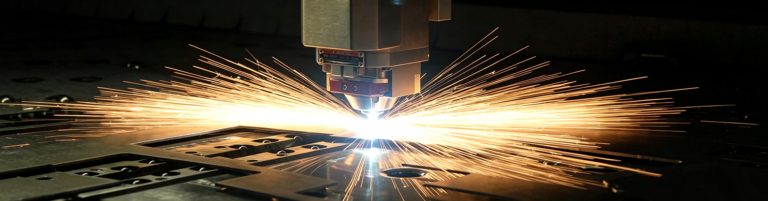
EDM Machining Guide: Process, Types, Tolerances, and When to Use It
Electrical Discharge Machining (EDM) achieves ultra-precise machining on hard conductive materials via a four-step electrical erosion process. This blog unpacks three mainstream EDM types—wire, sinker and hole-drilling EDM—and clarifies how...
Read More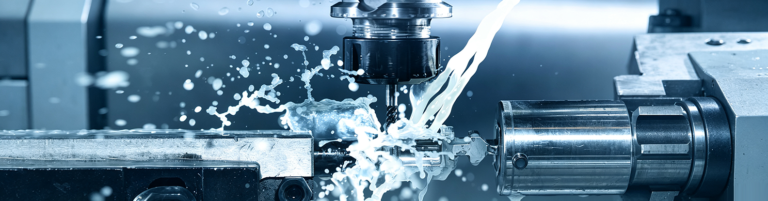
CNC Machining Prototype: Process, Materials, Cost & Lead Time Guide
CNC machining prototypes deliver robust, dimensionally accurate parts for product development. Explore how this method stacks up against 3D printing, injection molding and sheet metal fabrication, alongside a full breakdown...
Read More
PEEK CNC Machining: Complete Engineering Guide
Learn all about PEEK CNC MACHINING with this full engineering guide: PEEK material advantages, grade selection, machining tolerances, processing challenges, cost breakdown & saving tips, surface finishing, industrial uses, PEKK/PPS...
Read More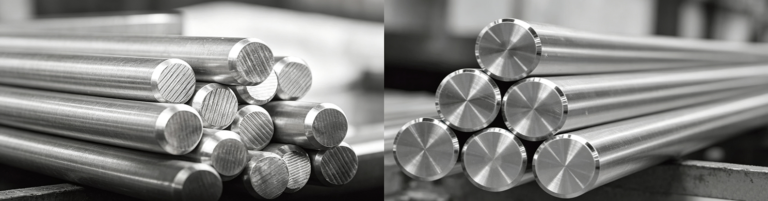
Titanium VS Stainless Steel: Which Should You Choose?
Compare titanium vs stainless steel for custom CNC machined parts, covering material grades, strength, corrosion & heat resistance, weldability, machinability, cost and industry applications to streamline your metal material selection.
Read More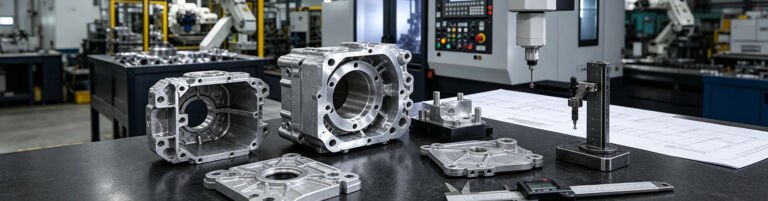
Cast Aluminum: A Practical Guide to Alloys, Processes, and CNC Finishing
Get a full overview of cast aluminum manufacturing in this post. We cover key CNC machining techniques, the processing gap between cast and wrought aluminum, plus stress and tolerance control...
Read More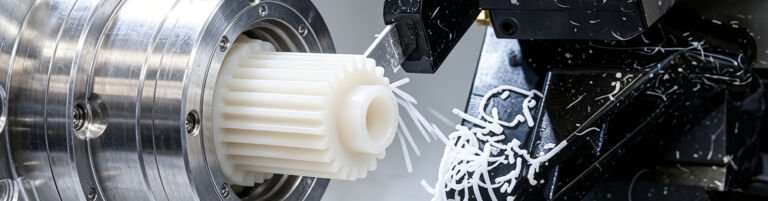
Nylon for Machining: Solving Dimensional Instability in Precision CNC Plastic Parts
It details optimized cutting tools, coolant selection and thermal fixturing rules to mitigate nylon’s high thermal expansion and hygroscopic traits, providing practical CNC process guidance for stable precision plastic part...
Read More
Black Anodized Aluminum: Process, Finishes & Applications
Find out why black anodized aluminum is favored for CNC parts, including Type II/III differences, selection tips, dimensional impacts, comparisons with other black finishes and engineering drawing specs.
Read More
Wood Machining: CNC Processes & Material Selection for Engineers
Explores CNC wood machining feasibility, key processes, material selection (hardwoods/softwoods/engineered panels), design rules, and defect prevention—helping engineers turn wood designs into precise, manufacturable products.
Read More
CNC Machining Bronze: Grades, Parameters & Selection Guide
Explains bronze’s advantages and applications, introduces mainstream bronze grades. It shares standard machining parameters, achievable tolerances, surface finish standards and machining processes, helping finish material selection, process planning and procurement...
Read More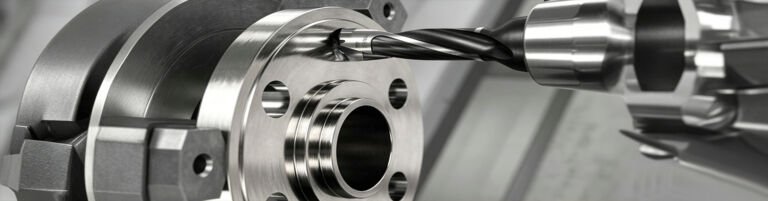
Blind Hole : Definition, Symbol, and Engineering Applications
As a basic mechanical feature, blind hole differs greatly from through-holes that run entirely through materials. It delivers core strengths including reliable sealing performance. Yet blind holes have obvious drawbacks...
Read More
What Is a Rivet?
This article clearly defines what a rivet is and explains its unique working mechanism. It also introduces mainstream types, common materials and practical application scenarios. Read on to systematically learn...
Read More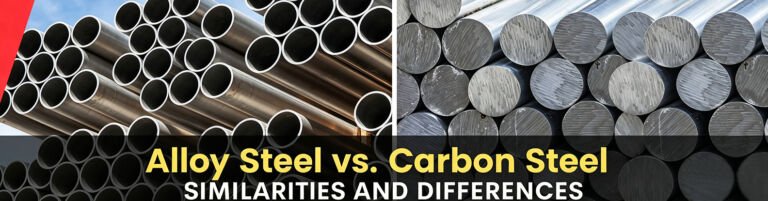
Alloy Steel vs. Carbon Steel: What Is the Difference?
Learn the key differences between alloy steel and carbon steel. Compare their strength, corrosion resistance, machinability, cost, and applications to select the ideal material for your project or industrial needs.
Read More
Fillet vs. Chamfer|What Are the Differences and Uses?
This guide breaks down fillet vs. chamfer in machining, covering geometry, machining, pros/cons, and CNC selection tips to balance part strength, cost, assembly ease and safety for smart design choices.
Read More
What is G and M Code?
G-code and M-code, the core commands for CNC machining. G-code controls tool movements including positioning, and feed rates. M-code manages auxiliary functions like spindle control and program stops. It lists...
Read More